


Tšehhi krooni ülekannetes navigeerimine: teie globaalne rahaline eelis

Tšehhi krooni ülekannete optimeerimine globaalseks finantsnavigatsiooniks on kriitilise tähtsusega oskus nii eraisikutele kui ka ettevõtetele, kes tegutsevad Tšehhi Vabariigi tugevas majanduses või on sellega seotud. Üha enam omavahel seotud maailmas võib piiriüleste maksete, eriti vähem levinud valuutade, näiteks Tšehhi krooni (CZK), keerukuste mõistmine oluliselt mõjutada finantstõhusust ja -edu. See põhjalik juhend käsitleb Tšehhi krooni ülekannete kõiki aspekte, alates valuuta globaalse positsiooni mõistmisest kuni tipptasemel finantstehnoloogia lahenduste kasutamiseni, tagades, et saate Tšehhi krooni ülekannetes navigeerida enesekindlalt ja strateegilise ülevaatega.
Sisukord
- Sisukord
- Tšehhi krooni mõistmine globaalses maastikus
- Tšehhi krooni roll ja olulisus rahvusvahelistes tehingutes
- Tšehhi krooni ülekannete tavalised stsenaariumid
- Tšehhi krooni ülekannete tegemisel navigeerimine: traditsioonilised ja kaasaegsed meetodid
- Traditsioonilised panganduskanalid ja nende nüansid
- Tärkavad finantstehnoloogia lahendused ja digitaalsed platvormid
- Kulude-tulude analüüs: tasud, vahetuskursid ja varjatud tasud
- Ülekandetasude ja komisjonitasude lahtiseletamine
- Vahetuskursside ja valuuta konverteerimise valdamine
- Tšehhi krooni ülekannete turvalisuse ja vastavuse optimeerimine
- Regulatiivsed raamistikud ja rahapesuvastane vastavus
- Riskide maandamine: pettuste ennetamine ja andmeturve
- Strateegilised lähenemisviisid tõhusale Tšehhi krooni ülekannete haldamisele
- Kohandatud Tšehhi krooni ülekandestrateegia väljatöötamine
- Tulevased trendid ja uuendused Tšehhi kroonides tehtavates ülekannetes
Tšehhi krooni mõistmine globaalses maastikus
Tšehhi krooni roll ja olulisus rahvusvahelistes tehingutes
Tšehhi kroon, mida sageli lühendatakse kui CZK, on Tšehhi Vabariigi ametlik valuuta, mis on Kesk-Euroopas strateegiliselt paiknev riik. Kuigi see ei ole nagu USD või EUR oluline reservvaluuta, mängib CZK olulist rolli piirkondlikus kaubanduses ja investeeringutes, peegeldades Tšehhi Vabariigi tugevat majandustulemust Euroopa Liidus. Selle olulisus rahvusvahelistes tehingutes tuleneb riigi märkimisväärsest ekspordile orienteeritud majandusest, eriti tootmis-, auto- ja kõrgtehnoloogiasektoris, mis nõuavad sagedasi piiriüleseid makseid.Tšehhi krooni ajalooline kontekst näitab teekonda, mida iseloomustasid vastupidavus ja kohanemine. Pärast sametrevolutsiooni asus Tšehhi Vabariik majandusliku ümberkujundamise teele, mis kulmineerus Euroopa Liiduga liitumisega 2004. aastal. Vaatamata ELi liikmelisusele on riik säilitanud oma iseseisva valuuta, mis on tingitud soovist rahapoliitika autonoomia ja stabiilsuse järele. See autonoomia võimaldab Tšehhi Rahvuspangal (CNB) kohandada rahapoliitikat spetsiaalselt Tšehhi majanduse vajadustele, mõjutades CZK väärtust ja selle atraktiivsust rahvusvaheliste tehingute jaoks. Selle praegune turupositsioon on üldiselt stabiilne, mida toetavad terve majandus, madal tööpuudus ja vastutustundlik eelarvepoliitika, muutes selle usaldusväärseks valuutaks rahvusvaheliste tehingute jaoks.
Tšehhi krooni väärtust mõjutavad järjepidevalt mitmed olulised majandustegurid. Olulist rolli mängivad intressimäärade erinevused Tšehhi Vabariigi ja suuremate maailmamajanduste, eriti euroala vahel. Kõrgemad intressimäärad Tšehhi Vabariigis võivad meelitada ligi väliskapitali, tugevdades krooni. Lisaks on majanduskasvu näitajad, inflatsioonimäärad ja kaubandusbilanss tähelepanelikult jälgitavad näitajad. Tugev eksporditulemus toetab tavaliselt Tšehhi krooni, samas kui välised majandusšokid või olulised poliitilised arengud võivad tekitada volatiilsust. Nende dünaamikate mõistmine on ülioluline kõigile, kes on seotud Tšehhi krooni ülekannetega, kuna need mõjutavad otseselt vahetuskursse ja tehingute kulusid.
Tšehhi krooni ülekannete tavalised stsenaariumid
Tšehhi krooni ülekanded on lahutamatu osa paljudest finantstegevustest, rahuldades nii äri- kui ka individuaalseid vajadusi. Ettevõtete jaoks on piiriülesed maksed Tšehhi kroonides igapäevane reaalsus. See hõlmab tooraine või valmistoodete importimist Tšehhi Vabariigist, kus tarnijad eelistavad sageli makseid oma kohalikus valuutas, et maandada vahetuskursiriske. Seevastu Tšehhi eksportijad, kes saavad makseid rahvusvahelistelt klientidelt, võivad konverteerida välisvaluutasid Tšehhi kroonidesse, et katta tegevuskulusid ja palku. Tšehhi Vabariigis asuvate töötajate palgaarvestus, eriti rahvusvaheliste korporatsioonide puhul, millel on seal tütarettevõtted, nõuab samuti regulaarseid Tšehhi krooni ülekandeid. Nende äritehingute tõhus haldamine võib oluliselt mõjutada ettevõtte kasumit ja tegevuse sujuvust.Isiklikud rahaülekanded ja välismaal elavate inimeste finantsjuhtimine on veel üks oluline kategooria Tšehhi kroonides tehtavate ülekannete puhul. Välismaal töötavad Tšehhi kodanikud saadavad sageli raha tagasi oma peredele Tšehhi Vabariigis, panustades leibkonna sissetulekutesse ja kohalikku majandusse. Samamoodi peavad Tšehhi Vabariigis elavad ja töötavad välismaalased sageli oma koduriigist raha üle kandma, et katta elamiskulusid, üüri ja muid rahalisi kohustusi. Need ülekanded on tavaliselt väiksema väärtusega, kuid sagedased ja väga tundlikud tasude ja vahetuskursside suhtes, mistõttu on optimeerimine üksikisikute jaoks peamine mure.
Lisaks soodustavad investeeringud ja kinnisvaraostud Tšehhi Vabariigis märkimisväärset Tšehhi kroonide ülekannete mahtu. Tšehhi kinnisvaraturg, eriti Prahas ja teistes suuremates linnades, on oma stabiilse kasvu ja suhteliselt atraktiivse tootluse tõttu meelitanud ligi välisinvestoreid. Kinnisvara ostmine, olgu see siis elamu- või ärikinnisvara, nõuab märkimisväärseid Tšehhi kroonide ülekandeid. Välismaised otseinvesteeringud Tšehhi ettevõtetesse või finantsturgudele nõuavad ka välisvaluutade konverteerimist Tšehhi kroonideks, mis rõhutab valuuta rolli kapitalivoogude ja majandusarengu soodustamisel. Kõik need stsenaariumid rõhutavad tõhusate ja kulutõhusate Tšehhi kroonide ülekandemehhanismide olulisust.
Tšehhi krooni ülekannete tegemisel navigeerimine: traditsioonilised ja kaasaegsed meetodid
Traditsioonilised panganduskanalid ja nende nüansid
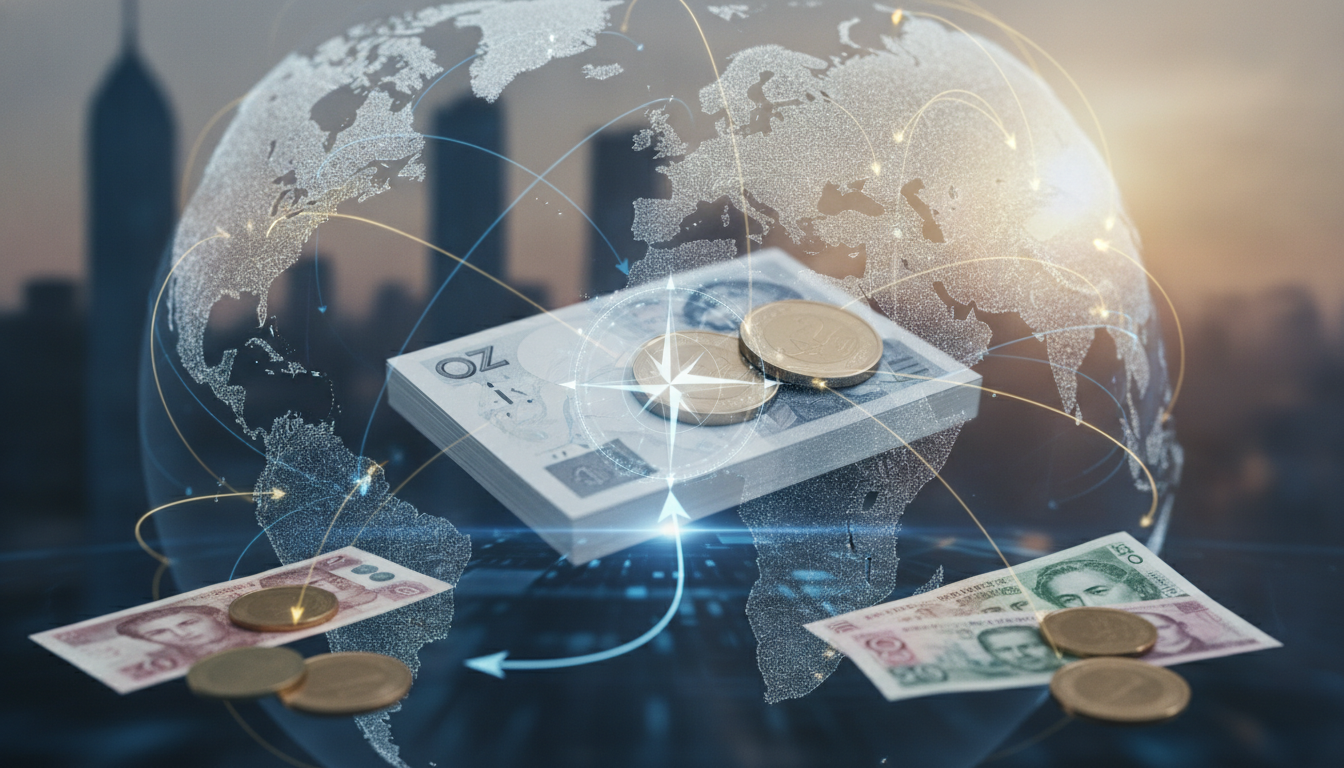
SWIFT-ülekannetega kaasnevad aga spetsiifilised kulud ja tüüpilised töötlemisajad, millega kasutajad peavad arvestama. Tasud võivad olla märkimisväärsed, hõlmates sageli lähtepanga fikseeritud tasu, vahendajapankade võimalikke tasusid ja saaja panga vastuvõtutasust. Eelkõige võivad need vahendajapanga tasud olla ettearvamatud ja läbipaistmatud, mistõttu saaja saab mõnikord oodatust väiksema summa. SWIFT-ülekannete töötlemisajad võivad olla 1 kuni 5 tööpäeva, olenevalt kaasatud vahendajapankade arvust, ajavöönditest ja vastavate finantsasutuste tähtaegadest. Kuigi SWIFT-ülekanded on usaldusväärsed, ei pruugi nende kiirus ja kulutõhusus alati vastata kiireloomulistele või sagedastele ülekandevajadustele.
Korrespondentpangandusvõrgustike kontseptsioon on SWIFT-ülekannete tõhususe või mõnikord ebatõhususe keskmes. Korrespondentpangad on finantsasutused, mis pakuvad teenuseid teistele finantsasutustele, eriti erinevates riikides. Kui saatja ja saaja pankade vahel puudub otsene seos, kasutatakse ülekande hõlbustamiseks mitmeid korrespondentpanku. Iga ahelas olev korrespondentpank võib kehtestada oma tasusid ja pikendada töötlemisaega. Tšehhi krooni ülekannete puhul tähendab see, et Euroopa-välisest pangast Tšehhi panka tehtav makse võib läbida mitut korrespondentpanka, mis võib ülekannet edasi lükata ja kulusid suurendada. Selle võrgustiku mõistmine on ülioluline traditsiooniliste pangaülekannete täielike rahaliste ja ajaliste tagajärgede ennetamiseks.
Tärkavad finantstehnoloogia lahendused ja digitaalsed platvormid
Finantsmaastikku on oluliselt muutnud uued finantstehnoloogia lahendused ja digitaalsed platvormid, pakkudes Tšehhi krooni ülekannetele veenvaid alternatiive. Veebipõhised rahaülekandeteenused, nagu Wise (endine TransferWise), Revolut ja teised, on piiriüleste maksete tegemisel revolutsiooni teinud, pakkudes kiiruse, läbipaistvuse ja madalamate kulude tagamiseks loodud funktsioone. Need platvormid toimivad tavaliselt teistsuguse mudeli alusel kui traditsioonilised pangad, kasutades sageli eri riikide kohalikke pangakontosid, et minimeerida SWIFT-tasusid ja kiirendada ülekandeid. Need pakuvad eelnevalt selget tasude ja vahetuskursside jaotust, kõrvaldades varjatud tasud ja võimaldades kasutajatel näha täpselt, kui palju raha laekub.Nendel veebipõhistel rahaülekandeteenustel on arvukalt eeliseid. Üldiselt pakuvad nad traditsiooniliste pankadega võrreldes oluliselt madalamaid ülekandetasusid, küsides sageli väikest protsenti ülekandesummast või madalat fikseeritud tasu. Nende vahetuskursid on sageli soodsamad, tihtipeale lähemal keskmisele turukursile, mis on valuutade tegelik vahetuskurss ilma igasuguse juurdehindluseta. Töötlemisajad on samuti märkimisväärselt kiiremad, paljud ülekanded tehakse minutite või mõne tunni, mitte päevade jooksul. Siiski on olemas piirangud. Mõnel teenusel võivad olla päevased või kuised ülekandelimiidid, mis võivad olla väga suurte äritehingute puhul piiravad. Lisaks, kuigi nende ulatus on ulatuslik, võivad teatud nišivaluutasid või -koridore siiski paremini teenindada traditsioonilised pangad, kuigi see muutub üha haruldasemaks selliste valuutade puhul nagu Tšehhi kroon.
Võrdõigusplatvormid (P2P) on finantstehnoloogia valdkonnas veel üks uuenduslik lähenemisviis, kuigi nende rakendamine Tšehhi krooni ülekannete puhul on nišilikum. P2P platvormid ühendavad otse isikuid, kes soovivad valuutat vahetada, möödudes traditsioonilistest finantsvahendajatest. Näiteks inimene, kes vajab Tšehhi Vabariigile Tšehhi krooni saatmist, võidakse sobitada kellegagi Tšehhi Vabariigis, kes peab saatma samaväärse summa Tšehhi krooni esimese isiku riiki, vahetades seega valuutasid ilma raha tegeliku piiriülese liikumiseta. Kuigi P2P platvormid pakuvad potentsiaalselt suurepäraseid vahetuskursse ja väga madalaid tasusid, on nende peamine piirang likviidsus. Täpse summa ja valuutapaari jaoks sobiva vastaspoole leidmine võib olla keeruline, eriti suuremate summade või vähem levinud valuutamarsruutide puhul. Sellest hoolimata võivad P2P platvormid pakkuda konkreetsete, väiksemamahuliste isiklike ülekannete puhul väga kulutõhusat lahendust, mis on huvitav tahk Tšehhi krooni ülekannete navigeerimise arenevas maastikus.
Kulude-tulude analüüs: tasud, vahetuskursid ja varjatud tasud
Ülekandetasude ja komisjonitasude lahtiseletamine
Põhjalik arusaam ülekandetasudest ja vahendustasudest on ülioluline kõigile, kes soovivad optimeerida Tšehhi krooni ülekandeid. Need tasud võivad teie ülekande väärtust oluliselt vähendada, kui neid hoolikalt ei hallata. Põhimõtteliselt saab tasusid jagada fikseeritud ja protsendipõhisteks tasudeks. Fikseeritud tasud on fikseeritud määr, mida rakendatakse olenemata ülekande summast, mis võib olla kasulik suuremate ülekannete puhul, kuna tasu moodustab kogusummast väiksema osa. Seevastu protsendipõhised tasud, kus teatud protsent ülekande summast võetakse tasuks, võivad olla väiksemate ülekannete puhul säästlikumad, kuid suuremate summade puhul suurenevad kiiresti. Paljud pakkujad, eriti veebipõhised rahaülekande teenused, kasutavad hübriidmudelit, kombineerides väikese fikseeritud tasu protsendipõhise tasuga või pakkudes astmelisi hinnastruktuure, mis põhinevad ülekande summal.Üks rahvusvaheliste ülekannete, eriti traditsiooniliste pangakanalite kaudu tehtavate ülekannete kõige raskemini tabatavaid ja frustreerivamaid aspekte on vahendajapanga tasud. Nagu mainitud, kui saatja ja saaja pankade vahel puudub otsene pangasuhe, võib ülekanne toimuda läbi ühe või mitme korrespondentpanga. Iga vahendajapank võib kehtestada oma teenustasu, mis sageli arvatakse enne saajani jõudmist otse ülekande summast maha. Nende tasude ettearvamatus on suur probleem. Saatjad algatavad sageli ülekande, eeldades, et teatud summa laekub, kuid ettenägematute vahendajate mahaarvamiste tõttu laekub väiksem summa. See läbipaistvuse puudumine muudab eelarve koostamise ja finantsplaneerimise keeruliseks ning rõhutab selliste teenuste väärtust, mis pakuvad eelnevat ja kõikehõlmavat hinnakujundust. Tšehhi krooni ülekannetega navigeerides uurige alati võimalike vahendajatasude kohta ja seda, kas teie valitud teenus garanteerib laekunud summa.
Vahetuskursside ja valuuta konverteerimise valdamine
Vahetuskursside ja valuuta konverteerimise valdamine on vaieldamatult kõige mõjusam strateegia Tšehhi krooni ülekannete optimeerimiseks. Vahetuskurss määrab, kui palju Tšehhi krooni te oma välisvaluuta eest saate või vastupidi, ning isegi väikesed erinevused võivad suuremate tehingute puhul kaasa tuua märkimisväärse kokkuhoiu või kahjumi. Oluline on eristada hetkekursse ja jaemüügikursse. Hetkekurss, tuntud ka kui pankadevaheline kurss või turu keskkurss, on tegelik vahetuskurss, millega pangad ja suured finantsasutused omavahel valuutasid vahetavad. See on valuuta ostu- ja müügihinna keskpunkt. Jaemüügikursid on seevastu kursid, mida pangad ja rahaülekandeteenused pakuvad individuaalsetele klientidele ning mis tavaliselt sisaldavad hetkekursist kõrgemat juurdehindlust ehk ‘kursivahe’. See kursivahe on see, kuidas need institutsioonid valuutavahetusest kasu saavad.Selle kursivahe mõistmine on soodsate vahetuskursside kindlakstegemise võti. Traditsioonilised pangad rakendavad sageli suuremat kursivahe, mis tähendab, et nende jaemüügikursid on vähem konkurentsivõimelised kui paljude veebipõhiste rahaülekandeteenuste pakutavad. Need teenused on uhked, et pakuvad kurse, mis on palju lähedasemad turu keskmisele kursile, pakkudes seeläbi teie raha eest rohkem Tšehhi krooni. Soodsate vahetuskursside kindlustamise strateegiate hulka kuulub valuutaturgude tähelepanelik jälgimine. Paljude finantsplatvormide pakutavate kursihoiatuste kasutamine võib teid teavitada, kui Tšehhi kroon saavutab teie valitud valuuta suhtes soovitud vahetuskursi, võimaldades teil ülekande algatada sobival hetkel. Ettevõtete või eraisikute jaoks, kellel on suured tulevased Tšehhi krooni ülekandevajadused, võivad forward-lepingud olla hindamatuks tööriistaks. Forward-leping võimaldab teil lukustada tänase vahetuskursi tehingu jaoks, mis toimub tulevikus, maandades tõhusalt ebasoodsate valuutakõikumiste eest. See annab kindluse ja kaitse turu volatiilsuse eest, mis on eriti kasulik Tšehhi krooni ülekannete navigeerimisel oluliste investeeringute või pikaajaliste kohustuste jaoks.

Tšehhi krooni ülekannete turvalisuse ja vastavuse optimeerimine
Regulatiivsed raamistikud ja rahapesuvastane vastavus
Tšehhi krooni ülekannete optimeerimine hõlmab enamat kui ainult kulusid ja kiirust; see hõlmab kriitiliselt turvalisust ja vastavust regulatiivsetele raamistikele. Tšehhi krooni ülekandeid reguleeriv finantsökosüsteem on tugev ja seda teostab peamiselt Tšehhi Rahvuspank (CNB). CNB kehtestab ja jõustab eeskirju, mis on kooskõlas laiemate Euroopa Liidu direktiivide ja rahvusvaheliste standarditega, eriti rahapesuvastase võitluse (AML) ja terrorismi rahastamise vastase võitluse (CFT) osas. Need eeskirjad on loodud ebaseadusliku finantstegevuse ennetamiseks ja finantssüsteemi terviklikkuse tagamiseks. Iga Tšehhi krooni ülekandeid vahendav institutsioon, olgu see siis traditsiooniline pank või FinTech-ettevõte, peab järgima neid rangeid reegleid. Nende raamistike mõistmine annab kindluse, et teie raha käsitletakse seaduslikus ja turvalises keskkonnas.AML-i nõuetele vastavuse nurgakiviks on KYC (tunne oma klienti) nõue. KYC protsessid nõuavad finantsasutustelt oma klientide isikusamasuse kontrollimist ja nende finantstegevuse olemuse mõistmist. Üksikisikute puhul hõlmab see tavaliselt isikut tõendavate dokumentide, näiteks passi või isikutunnistuse, aadressitõendi ja mõnikord ka raha allika kohta teabe esitamist. Ettevõtete puhul laieneb KYC ettevõtte registreeringu kontrollimisele, tegelike kasusaajate tuvastamisele ja ettevõtte tegevusmudeli mõistmisele. Kuigi need nõuded võivad mõnikord tunduda tülikad, on need olulised kaitsemeetmed. Need kaitsevad nii finantssüsteemi kuritarvituste eest kui ka üksikuid kasutajaid pettuste eest. KYC nõuete järgimine ei ole mitte ainult regulatiivne kohustus, vaid ka turvaliste ja usaldusväärsete Tšehhi krooni ülekannete kriitiline komponent, tagades kõigi asjaosaliste seaduslikkuse ja läbipaistvuse.
Riskide maandamine: pettuste ennetamine ja andmeturve
Riskide maandamine, eriti pettuste ennetamise ja andmeturbega seotud riskide maandamine, on Tšehhi krooni ülekannete tegemisel ülioluline. Paljude tänapäevaste ülekandemeetodite digitaalne olemus pakub küll mugavust, kuid toob kaasa ka potentsiaalseid haavatavusi, millest kasutajad peavad teadlikud olema. Turvaliste veebiülekannete parimad tavad algavad usaldusväärsete ja litsentseeritud pakkujate valimisest. Kontrollige alati, et teenus on reguleeritud jurisdiktsioonides, kus see tegutseb, kuna see pakub tarbijakaitse taset ja tagab turvastandardite järgimise. Tugevate ja unikaalsete paroolide kasutamine oma veebikontode jaoks ning kahefaktorilise autentimise (2FA) lubamine lisab olulise tõkke volitamata juurdepääsu vastu. Olge ettevaatlik andmepüügikatsete suhtes, kus petised üritavad teid petta isikuandmete või finantsandmete avaldamiseks võltsitud e-kirjade või veebisaitide kaudu. Enne mis tahes ülekande kinnitamist kontrollige alati saaja andmeid, sealhulgas tema nime, pangakonto numbrit ja täpset summat. Väike viga võib viia raha pöördumatu saatmiseni valele kontole.Tagasimaksete ja vaidluste lahendamise protsesside mõistmine on samuti riski maandamise oluline aspekt. Kuigi rahvusvaheliste rahaülekannete puhul on see vähem levinud kui krediitkaarditehingute puhul, võib teie õiguste ja volitamata või eksliku tehingu vaidlustamise protseduuride tundmine pakkuda meelerahu. Enamikul mainekatel finantsasutustel ja FinTech-teenustel on vaidluste lahendamiseks kehtestatud protokollid, mis tavaliselt hõlmavad nõude uurimist ja vajadusel raha tagasinõudmise katset. Vaidluste lahendamise edukus võib aga varieeruda, eriti rahvusvaheliste ülekannete puhul, kus on kaasatud erinevad õiguslikud jurisdiktsioonid. Tšehhi krooni ülekannete puhul on soovitatav olla kursis Tšehhi Rahvuspanga jõustatavate tarbijakaitseseadustega ja valitud ülekandepakkuja konkreetsete eeskirjadega. Tšehhi krooni ülekannetega navigeerimisel on teie finantsturvalisuse tagamiseks tark strateegia eelistada pakkujaid, kellel on tugev klienditugi ja selged vaidluste lahendamise mehhanismid.
Strateegilised lähenemisviisid tõhusale Tšehhi krooni ülekannete haldamisele
Kohandatud Tšehhi krooni ülekandestrateegia väljatöötamine
Kohandatud Tšehhi krooni ülekandestrateegia väljatöötamine on oluline efektiivsuse maksimeerimiseks ja kulude minimeerimiseks, olgu siis isiklike või äriliste vajaduste jaoks. Ühtset lahendust pole olemas, kuna optimaalne meetod sõltub suuresti individuaalsetest ja ettevõtte vajadustest. Peamised hinnatavad tegurid on ülekannete sagedus, keskmine ülekandesumma, kiireloomulisus ning tasude ja vahetuskursside prognoositavuse olulisus. Näiteks ettevõte, mis teeb Tšehhi tarnijatele sageli suuri makseid, võib eelistada madalaid protsendipõhiseid tasusid ja juurdepääsu forward-lepingutele valuutakursi kõikumiste maandamiseks. Seevastu üksikisik, kes saadab väikeseid ja aeg-ajalt rahaülekandeid, võib eelistada teenuseid, millel on väga madalad fikseeritud tasud ja kasutajasõbralikud mobiilirakendused.Automatiseeritud ja korduvate ülekannete tehnoloogia kasutamine võib oluliselt sujuvamaks muuta Tšehhi krooni ülekannete haldamist, eriti regulaarsete maksete, näiteks palgaarvestuse, tellimuste või hüpoteekmaksete puhul. Paljud veebipõhised rahaülekandeteenused ja traditsioonilised pangad pakuvad võimalust seadistada korduvaid ülekandeid, mis võimaldab kasutajatel makseid ette planeerida kindlaksmääratud sagedusega. See mitte ainult ei säästa aega, vaid vähendab ka maksete vahelejäämise ja sellega seotud trahvide riski. Lisaks pakuvad mõned platvormid ettevõtetele API integratsioone, mis võimaldavad automatiseeritud maksete töötlemist otse nende raamatupidamis- või ettevõtte ressursiplaneerimise (ERP) süsteemidest. See automatiseerimise tase võib oluliselt parandada tegevuse efektiivsust ja vähendada käsitsi tehtud vigu, muutes Tšehhi krooni ülekannete navigeerimise protsessi palju paremini hallatavaks ja vähem vastuvõtlikuks inimlikule järelevalvele.
Tulevased trendid ja uuendused Tšehhi kroonides tehtavates ülekannetes
Tšehhi krooni ülekannete maastik areneb pidevalt tänu tehnoloogilisele arengule ja muutuvatele turunõudlustele. Üks kõige murrangulisemaid tulevikutrende on plokiahela ja hajuspearaamatu tehnoloogia (DLT) mõju. Plokiahela tehnoloogia, mis on krüptovaluutade, näiteks Bitcoini, aluseks olev innovatsioon, pakub potentsiaali kiiremateks, odavamateks ja läbipaistvamateks piiriülesteks makseteks. Vahendajate kõrvaldamise ja otseste vastastikuste tehingute võimaldamise abil võiks DLT drastiliselt lühendada arveldusaega ja ülekandetasusid. Kuigi tavapärased Tšehhi krooni ülekanded on alles lapsekingades, uurivad mitmed finantsasutused ja FinTech ettevõtted aktiivselt plokiahelal põhinevaid lahendusi rahvusvaheliste rahaülekannete ja pankadevaheliste arvelduste jaoks. Tšehhi Rahvuspank uurib nagu paljud keskpangad kogu maailmas ka DLT ja potentsiaalselt keskpanga digitaalsete valuutade (CBDC) mõju, mis võiksid Tšehhi krooni tehinguid veelgi revolutsiooniliselt muuta.Tekkivad maksekoridorid ja nende potentsiaal Tšehhi krooni tehingute jaoks on samuti oluline innovatsioonivaldkond. Kuna globaalsed kaubandusmustrid muutuvad ja tekivad uued majandusliitud, töötatakse pidevalt välja uusi ja tõhusamaid rahaülekannete marsruute. See hõlmab Tšehhi Vabariigi ja kiiresti kasvavate majandustega finantsasutuste vahelist tugevdatud partnerlust, mis hõlbustab sujuvamaid ja otsesemaid Tšehhi krooni tehinguid. Näiteks võib suurenenud kaubavahetus Aasia või Lõuna-Ameerika turgudega viia spetsiaalsete makseliinide väljatöötamiseni, mis on optimeeritud Tšehhi krooni vahetusteks nende piirkondade valuutadega. Lisaks võib olemasolevate makseinfrastruktuuride, näiteks ühtse euromaksete piirkonna (SEPA) kiirkrediidiülekande pidev täiustamine kaudselt Tšehhi krooni ülekannetele kasuks tulla, parandades Tšehhi krooni ja euro (mis on peamine kaubanduspartneri valuuta) vaheliste ülekannete tõhusust. Nende arengutega kursis olemine on ülioluline kõigile, kes soovivad säilitada strateegilise eelise Tšehhi krooni ülekannetes navigeerimisel ka edaspidi. Lõppkokkuvõttes tagab ennetav lähenemine uute tehnoloogiate ja teenuste mõistmisele ja kasutuselevõtule, et teie Tšehhi krooni ülekanded jäävad pidevalt muutuvas globaalses finantskeskkonnas optimeerituks, turvaliseks ja kulutõhusaks.
Sisemine link 1: Rahvusvaheliste rahaülekandeteenuste kohta lisateabe saamiseks uurige meie põhjalikku juhendit rahvusvaheliste rahaülekannete kohta. Sisemine link 2: Valuutavahetusstrateegiate kohta lisateabe saamiseks külastage meie lehte valuutavahetuse maksimeerimise kohta. Väline link: Tšehhi Rahvuspanga poliitika ja määruste ametliku teabe saamiseks vaadake palun Tšehhi Rahvuspanga veebisait.