



Die Optimierung von Überweisungen in Tschechischen Kronen (CZK) ist für internationale Einwohner ein wichtiger Aspekt der Finanzplanung für alle, die in Tschechien leben, arbeiten oder studieren. Die Komplexität internationaler Geldtransfers, insbesondere mit einer lokalen Währung wie der CZK, kann eine Herausforderung sein. Dieser umfassende Leitfaden soll den Prozess verständlicher machen und internationalen Einwohnern praktische Strategien und Einblicke bieten, um ihre CZK-Überweisungen so effizient, kostengünstig und sicher wie möglich zu gestalten. Vom Verständnis der grundlegenden Mechanismen von Wechselkursen bis hin zur Nutzung modernster digitaler Plattformen beleuchten wir alle Facetten der grenzüberschreitenden Finanzverwaltung, damit Sie mehr von Ihrem hart verdienten Geld behalten und mehr Sicherheit genießen können.
Inhaltsverzeichnis
- Inhaltsverzeichnis
- Den Überblick über CZK-Überweisungen für Ausländer
- Grundlagen der tschechischen Krone und Wechselkurse
- Häufige Szenarien für CZK-Überweisungen von Ausländern
- Traditionelle vs. moderne Transfermethoden: Eine vergleichende Analyse
- Traditionelle Bankkanäle und ihre Auswirkungen
- Neue digitale Lösungen und ihre Vorteile
- Schlüsselfaktoren zur Optimierung von CZK-Überweisungen an Ausländer
- Kosten minimieren und Wert maximieren
- Geschwindigkeit, Komfort und Sicherheitsaspekte
- Praktische Tipps und fortgeschrittene Strategien für internationale Einwohner
- Nutzung lokaler tschechischer Bankdienstleistungen
- Erweiterte Strategien für große oder häufige Überweisungen
Den Überblick über CZK-Überweisungen für Ausländer
Grundlagen der tschechischen Krone und Wechselkurse
Die Tschechische Krone (CZK) ist die offizielle Währung der Tschechischen Republik. Als souveräne Währung wird ihr Wert durch Marktkräfte, Wirtschaftsindikatoren und die Politik der Tschechischen Nationalbank (CNB) bestimmt. Für im Ausland lebende Tschechische Kronen ist das Verständnis der CZK der erste Schritt zu einer effektiven Finanzplanung und fundierten Entscheidungen bei Geldtransfers. Ihre Stabilität gegenüber wichtigen globalen Währungen wie Euro und US-Dollar beeinflusst die Kosten und den Wert internationaler Transaktionen erheblich.
Mehrere entscheidende Faktoren beeinflussen den Wechselkurs der Tschechischen Krone (CZK), insbesondere gegenüber weit verbreiteten Währungen wie EUR/CZK und USD/CZK. Die Wirtschaftslage, einschließlich BIP-Wachstum, Inflationsrate und Zinsdifferenzen zwischen Tschechien und anderen Wirtschaftsräumen, spielt eine wesentliche Rolle. Politische Stabilität, die Stimmung an den globalen Märkten und auch bestimmte Ereignisse können Schwankungen verursachen. Beispielsweise können starke Exporte oder erhöhte Auslandsinvestitionen die CZK stärken, wodurch der Umtausch von Fremdwährungen in CZK teurer, für Überweisungen ins Ausland aber wertvoller wird.
Beim Devisenhandel ist es entscheidend, die Konzepte von Geld-Brief-Spannen und Mittelkursen zu verstehen. Der Mittelkurs, auch Interbankenkurs genannt, repräsentiert den wahren Wert eines Währungspaares – den Mittelwert zwischen Kauf- (Geld-) und Verkaufskurs (Briefkurs) am globalen Markt. Finanzinstitute bieten jedoch üblicherweise Kurse an, die eine Spanne (Spread) enthalten, also ihre Gewinnspanne. Diese Geld-Brief-Spanne bedeutet, dass Sie CZK immer zu einem etwas höheren Kurs kaufen und zu einem etwas niedrigeren Kurs verkaufen als dem Mittelkurs. Die Kenntnis dieser Spanne ist unerlässlich, um die tatsächlichen Kosten verschiedener Transferdienstleistungen korrekt zu vergleichen.
Häufige Szenarien für CZK-Überweisungen von Ausländern
Internationale Einwohner Tschechiens sehen sich mit verschiedenen Situationen konfrontiert, die Überweisungen in tschechischen Kronen (CZK) erfordern, wobei jede Situation ihre Besonderheiten hat. Die Kenntnis dieser häufigen Szenarien hilft dabei, die optimale Überweisungsstrategie zu entwickeln. Der spezifische Bedarf und die Häufigkeit dieser Überweisungen bestimmen oft die beste Plattform oder Methode und unterstreichen die Bedeutung eines flexiblen Finanzmanagements.
Eines der häufigsten Szenarien ist das Überweisen von Geld nach Hause, sei es ein Teil des Gehalts, angesparte Ersparnisse oder zur Unterstützung der Familie. Diese Überweisungen erfordern oft den Umtausch von CZK in eine Fremdwährung wie EUR, USD oder Währungen anderer Heimatländer. Dabei ist es besonders wichtig, Wechselkursverluste und Überweisungsgebühren zu minimieren, da diese den Wert des gesendeten Geldes erheblich mindern können. Regelmäßige, wiederkehrende Überweisungen profitieren daher von Diensten mit wettbewerbsfähigen Wechselkursen und niedrigen Festgebühren.
Umgekehrt benötigen viele im Ausland lebende Personen auch Geld aus dem Ausland. Dies kann für Investitionen, zur Unterstützung der Familie oder auch für die anfängliche Umzugskostenfinanzierung dienen. In diesen Fällen wird Fremdwährung in CZK umgetauscht. Die Geschwindigkeit und Zuverlässigkeit der Überweisung sind von entscheidender Bedeutung, insbesondere wenn das Geld für sofortige Ausgaben benötigt wird. Es ist außerdem wichtig, die Richtlinien der empfangenden Bank für eingehende internationale Überweisungen und die damit verbundenen Gebühren zu kennen, um unerwartete Abzüge zu vermeiden.
Schließlich machen lokale Zahlungen einen erheblichen Teil der CZK-Transaktionen von Ausländern aus. Dazu gehören Mietzahlungen, Nebenkostenabrechnungen, alltägliche Einkäufe und die Finanzierung lokaler Investitionen. Viele dieser Zahlungen erfolgen zwar innerhalb Tschechiens, doch die anfängliche Währungsumrechnung in CZK für diese Zwecke bietet Optimierungspotenzial. Durch ein effizientes CZK-Kontomanagement, beispielsweise über ein lokales tschechisches Bankkonto, lassen sich diese regelmäßigen Zahlungen vereinfachen und der Bedarf an häufigen, kleineren internationalen Überweisungen mit potenziell höheren Gebühren reduzieren.
Traditionelle vs. moderne Transfermethoden: Eine vergleichende Analyse
Traditionelle Bankkanäle und ihre Auswirkungen
Jahrzehntelang galten traditionelle Bankkanäle, vor allem internationale Überweisungen über das SWIFT-Netzwerk, als Standard für grenzüberschreitende Geldtransfers. Obwohl diese Methoden nach wie vor weit verbreitet sind, bringen sie für im Ausland lebende Personen einige Konsequenzen mit sich, insbesondere hinsichtlich Gebühren, Geschwindigkeit und Wechselkursen. Ein Verständnis dieser Aspekte ist entscheidend für fundierte Entscheidungen bei Überweisungen in tschechischen Kronen (CZK) für Ausländer.

Internationale Überweisungen über das SWIFT-System sind für ihre globale Reichweite bekannt und verbinden Tausende von Finanzinstituten weltweit. Dieses umfangreiche Netzwerk führt jedoch häufig zu höheren Gebühren, die entweder fix oder prozentual vom Überweisungsbetrag berechnet werden. Diese Gebühren werden in der Regel sowohl von der sendenden als auch von der empfangenden Bank und mitunter von zwischengeschalteten Korrespondenzbanken erhoben, was zu mehreren Abzügen vom ursprünglichen Betrag führt. Darüber hinaus enthalten die von traditionellen Banken angebotenen Wechselkurse oft einen erheblichen Aufschlag auf den Devisenmittelkurs, wodurch die Transaktionskosten zusätzlich steigen.
Die Einbindung von Korrespondenzbanken ist bei internationalen Überweisungen üblich, insbesondere wenn keine direkte Geschäftsbeziehung zwischen Sender und Empfänger besteht. Diese zwischengeschalteten Banken erleichtern zwar die Überweisung, erheben aber oft eigene Gebühren, wodurch der beim Empfänger ankommende Betrag weiter reduziert wird. Diese “versteckten Kosten” sind im Vorfeld schwer abzuschätzen und können sowohl für Sender als auch Empfänger unangenehme Überraschungen bedeuten. Im traditionellen Bankwesen mangelt es häufig an Transparenz hinsichtlich dieser Gebühren, was es Nutzern erschwert, die tatsächlichen Kosten ihrer Überweisungen zu ermitteln.
Traditionelle Bankkanäle bergen für Ausländer, die CZK-Überweisungen tätigen, einige Einschränkungen. Dazu gehören Mindestüberweisungsbeträge, die bei kleineren, häufigen Überweisungen unpraktisch sein können. Die Notwendigkeit, für bestimmte internationale Transaktionen eine Filiale aufzusuchen, insbesondere für die Ersteinrichtung oder komplexe Anfragen, kann zeitaufwändig und umständlich sein. Darüber hinaus kann die Bearbeitungsgeschwindigkeit von SWIFT-Überweisungen stark schwanken und oft mehrere Werktage dauern, was für dringende finanzielle Bedürfnisse ungeeignet sein kann. Das Fehlen von Echtzeit-Tracking und vorhersehbaren Lieferzeiten erschwert die Finanzplanung für im Ausland lebende Personen zusätzlich.
Neue digitale Lösungen und ihre Vorteile
Im Gegensatz zum traditionellen Bankwesen haben neue digitale Lösungen den internationalen Geldtransfer revolutioniert und bieten erhebliche Vorteile hinsichtlich Gebührenstruktur, Geschwindigkeit und Transparenz. Diese Plattformen werden aufgrund ihrer benutzerfreundlichen Oberflächen und Kosteneffizienz zunehmend zur bevorzugten Wahl für im Ausland lebende Personen. Der Wettbewerbsdruck in diesem Markt treibt Innovationen stetig voran und kommt den Verbrauchern mit besseren Dienstleistungen zugute.
Online-Geldtransferdienste wie Wise (ehemals TransferWise), Revolut und Remitly haben den Markt durch deutlich niedrigere Gebühren und transparentere Wechselkurse revolutioniert. Diese Plattformen nutzen in der Regel den Devisenmittelkurs oder einen Kurs, der sehr nahe daran liegt, und erheben eine geringe, transparente Vorabgebühr. Dank dieser Transparenz sehen Nutzer vor der Überweisung genau, wie viel der Empfänger erhält, wodurch versteckte Kosten vermieden werden. Die Geschwindigkeit dieser Überweisungen ist ebenfalls ein großer Vorteil: Viele Anbieter ermöglichen die Zustellung am selben Tag oder sogar sofort, insbesondere bei gängigen Währungskorridoren.
Peer-to-Peer-Plattformen (P2P) stellen eine weitere Nische im Bereich digitaler Lösungen dar und verbinden Privatpersonen, die Währungen direkt tauschen möchten. Obwohl sie für große internationale Überweisungen weniger verbreitet sind, können P2P-Modelle durch die Umgehung traditioneller Finanzintermediäre mitunter sogar günstigere Wechselkurse bieten. Allerdings können diese Plattformen hinsichtlich Liquidität und Verfügbarkeit bestimmter Währungspaare Einschränkungen aufweisen, wodurch sie sich eher für kleinere, weniger häufige Überweisungen eignen, bei denen Nutzer bereit sind, auf einen passenden Zahlungspartner zu warten. Ihre Sicherheitsprotokolle und die Einhaltung regulatorischer Vorgaben sollten vor der Nutzung stets gründlich geprüft werden.
Mobile Zahlungs-Apps mit internationaler Überweisungsfunktion gewinnen zunehmend an Bedeutung und integrieren Geldtransferdienste direkt in die alltägliche Finanzverwaltung. Diese Apps nutzen häufig die bestehende digitale Infrastruktur, um schnelle und bequeme Überweisungen zu ermöglichen, mitunter sogar über verschiedene Zahlungssysteme hinweg. Die Möglichkeit, Überweisungen direkt vom Smartphone aus zu verwalten, kombiniert mit wettbewerbsfähigen Gebühren und sofortigen Benachrichtigungen, macht sie besonders attraktiv für technikaffine Menschen im Ausland. Mit der Weiterentwicklung dieser Dienste wird der Prozess des Sendens und Empfangens von CZK kontinuierlich vereinfacht und die Finanzverwaltung zugänglicher und effizienter gestaltet.
Schlüsselfaktoren zur Optimierung von CZK-Überweisungen an Ausländer
Kosten minimieren und Wert maximieren
Die Optimierung von CZK-Überweisungen für Ausländer konzentriert sich im Wesentlichen auf zwei Kernziele: Kostenminimierung und Maximierung des Transaktionswerts. Dies erfordert ein proaktives Vorgehen, einen sorgfältigen Vergleich und ein klares Verständnis der verschiedenen Gebührenstrukturen und Wechselkursmechanismen der unterschiedlichen Anbieter. Selbst kleine Einsparungen bei jeder Überweisung können sich im Laufe der Zeit erheblich summieren und zu beträchtlichen finanziellen Vorteilen für im Ausland lebende Personen führen.
Der erste und wichtigste Schritt ist der Vergleich von Wechselkursen verschiedener Anbieter in Echtzeit. Wechselkurse sind dynamisch und können im Laufe des Tages, ja sogar innerhalb von Minuten, schwanken. Es ist daher unerlässlich, Online-Vergleichstools zu nutzen oder die Kurse verschiedener Anbieter (Banken, Online-Plattformen, P2P-Dienste) zum Zeitpunkt der Überweisung direkt zu prüfen. Achten Sie stets auf Anbieter mit Kursen, die möglichst nahe am Mittelkurs liegen, da dies auf mehr Transparenz und geringere Aufschläge hindeutet. Einige Plattformen bieten sogar Kursalarme an, die Sie informieren, sobald ein günstiger Kurs verfügbar ist, sodass Sie Ihre Überweisungen strategisch planen können.
Das Erkennen und aktive Vermeiden versteckter Gebühren ist ein weiterer wichtiger Aspekt der Kostenminimierung. Viele Anbieter werben mit niedrigen oder gar “Null”-Gebühren, verbergen ihre Gewinnspanne aber in einem ungünstigeren Wechselkurs. Dies wird als Wechselkursaufschlag bezeichnet. Achten Sie außerdem auf feste Transaktionsgebühren, prozentuale Gebühren und mögliche Gebühren der Empfängerbank. Vergleichen Sie stets den Gesamtbetrag, den der Empfänger erhält, mit dem von Ihnen gesendeten Betrag, da diese Zahl die tatsächlichen Kosten der Überweisung am deutlichsten aufzeigt. Manche Dienste haben zudem unterschiedliche Gebührenstrukturen für verschiedene Überweisungsbeträge, weshalb eine sorgfältige Berechnung erforderlich ist.
Die Entwicklung von Strategien für Sammelüberweisungen anstelle häufiger kleiner Überweisungen kann ebenfalls zu erheblichen Einsparungen führen. Bei Anbietern mit einer festen Gebühr pro Transaktion kann die Zusammenfassung mehrerer kleinerer Überweisungen zu einer größeren Überweisung die Gesamtkosten drastisch reduzieren. Berechnet ein Anbieter jedoch eine prozentuale Gebühr, ist der Vorteil der Sammelüberweisung möglicherweise weniger ausgeprägt, und das Risiko, dass ein großer Betrag Wechselkursschwankungen ausgesetzt ist, steigt. Es ist wichtig, Ihre typischen Überweisungsmuster und die Gebührenstruktur Ihres gewählten Anbieters zu analysieren, um die kostengünstigste Lösung für Ihre spezifischen Bedürfnisse bei Überweisungen in CZK an Ausländer zu finden.
Geschwindigkeit, Komfort und Sicherheitsaspekte
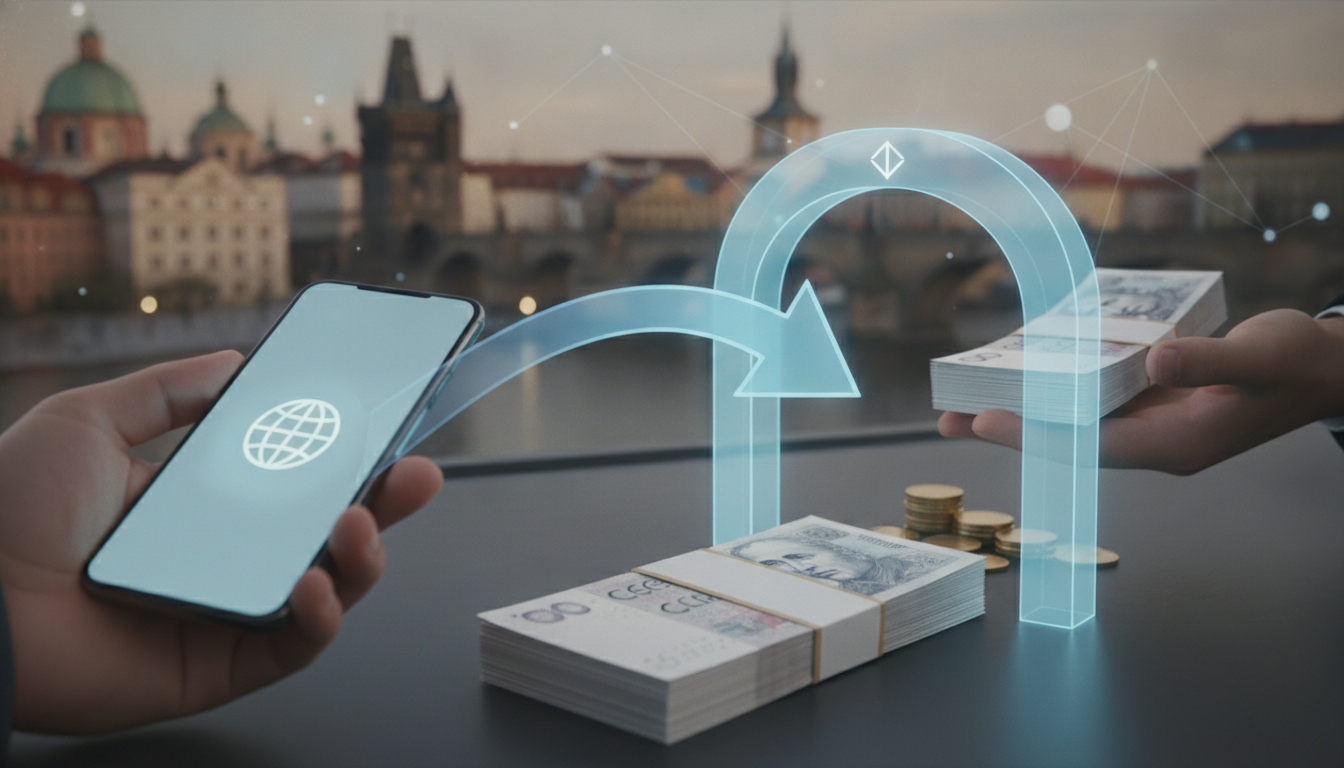
Neben den Kosten sind Geschwindigkeit, Komfort und Sicherheit von CZK-Überweisungen für Ausländer gleichermaßen wichtige Faktoren. Um ein reibungsloses und sorgenfreies Finanzerlebnis zu gewährleisten, muss ein ausgewogenes Verhältnis zwischen diesen Aspekten gefunden werden. Dringende Bedürfnisse, einfache Handhabung und der Schutz der Gelder stehen im heutigen digitalen Zeitalter an erster Stelle.
Die Beurteilung der Überweisungsgeschwindigkeit ist entscheidend, insbesondere bei zeitkritischen Zahlungen oder wenn Geld sofort benötigt wird. Anbieter bieten unterschiedliche Geschwindigkeiten an: Sofortüberweisungen (oft innerhalb von Minuten), Überweisungen am selben Tag oder Standardüberweisungen, die 1–3 Werktage dauern. Obwohl Sofortüberweisungen häufig mit etwas höheren Gebühren oder besonderen Bedingungen verbunden sind, bieten sie in dringenden Fällen absolute Sicherheit. Die Kenntnis der voraussichtlichen Bearbeitungszeit für jeden Anbieter und jede Währungskorridor ist unerlässlich für eine effektive Finanzplanung und um Mahngebühren oder andere Unannehmlichkeiten zu vermeiden.
Die Benutzerfreundlichkeit und die intuitive Benutzeroberfläche verschiedener Plattformen beeinflussen den Komfort beim Geldtransfer erheblich. Eine gut gestaltete, intuitive Plattform spart viel Zeit und reduziert Fehler. Achten Sie auf Dienste mit klaren Anweisungen, einfacher Navigation und schnellem Kundenservice. Die Möglichkeit, Überweisungen per App zu initiieren und zu verfolgen, Empfänger zu verwalten und Daueraufträge einzurichten, erhöht den Komfort zusätzlich. Ein umständlicher oder zu komplexer Prozess kann die Kostenersparnis zunichtemachen. Daher ist die Benutzerfreundlichkeit ein entscheidender Faktor bei Ihrer Wahl.
Schließlich sind Sicherheitsprotokolle und die Einhaltung gesetzlicher Bestimmungen bei Überweisungen von ausländischen CZK unerlässlich. Stellen Sie sicher, dass jeder von Ihnen genutzte Dienst von den zuständigen Finanzbehörden in seinem jeweiligen Zuständigkeitsbereich reguliert wird. Dies bedeutet in der Regel, dass er strenge Vorschriften zur Bekämpfung von Geldwäsche (AML) und zur Kundenidentifizierung (KYC) einhält und so Ihre Gelder und persönlichen Daten schützt. Achten Sie auf Funktionen wie Zwei-Faktor-Authentifizierung, Datenverschlüsselung und transparente Datenschutzrichtlinien. Seriöse Anbieter legen ihre Lizenzen und Sicherheitsmaßnahmen offen dar und schaffen so Vertrauen in ihre Dienstleistungen. Es ist ratsam, Bewertungen und Erfahrungsberichte anderer Nutzer zu lesen, um sich ein Bild von der Sicherheitsbilanz des Anbieters zu machen.
Praktische Tipps und fortgeschrittene Strategien für internationale Einwohner
Nutzung lokaler tschechischer Bankdienstleistungen
Für internationale Einwohner kann die vollständige Integration in das lokale Finanzsystem durch die Nutzung tschechischer Bankdienstleistungen die Verwaltung von CZK deutlich vereinfachen. Die Eröffnung eines lokalen Bankkontos, das Verständnis der inländischen Zahlungsmechanismen und die Vertrautheit mit den lokalen Vorschriften sind grundlegende Schritte zur Optimierung der Finanzgeschäfte in Tschechien. Diese Integration trägt dazu bei, die Abhängigkeit von internationalen Überweisungen für den täglichen Bedarf zu verringern und bietet oft mehr Komfort.
Die Eröffnung eines tschechischen Bankkontos ist oft der praktischste Schritt für eine effiziente Verwaltung der Tschechischen Krone. Mit einem lokalen Konto können Sie Gehälter einfacher empfangen, Miete und Rechnungen bezahlen und alltägliche Ausgaben tätigen, ohne Gebühren für internationale Transaktionen zu zahlen. Viele tschechische Banken bieten Konten speziell für Ausländer an, für die häufig ein Wohnsitznachweis, ein gültiger Ausweis und manchmal eine Mindesteinlage erforderlich sind. Es empfiehlt sich, die Gebührenstrukturen, den englischsprachigen Kundenservice und die Online-Banking-Angebote verschiedener Banken zu vergleichen. Diese lokale Präsenz vereinfacht viele finanzielle Aspekte des Lebens in Tschechien.
Die Nutzung lokaler Lastschriften (inkaso) und Daueraufträge (trvalý příkaz) ist eine äußerst effiziente Methode, wiederkehrende Zahlungen in Tschechien zu verwalten. Lastschriften eignen sich ideal für variable Zahlungen wie Strom- und Gasrechnungen, deren Betrag monatlich schwankt, da der Anbieter Ihr Konto automatisch belastet. Daueraufträge sind perfekt für feste, regelmäßige Zahlungen wie Miete oder Kreditraten. Die Einrichtung dieser Dienste über Ihr tschechisches Bankkonto gewährleistet pünktliche Zahlungen, vermeidet Mahngebühren und reduziert den Verwaltungsaufwand für die monatliche manuelle Veranlassung von Überweisungen erheblich. Diese Automatisierung ist ein Eckpfeiler effektiven Finanzmanagements.
Die Kenntnis der tschechischen Bankvorschriften für Ausländer ist für reibungslose Finanztransaktionen unerlässlich. Diese Vorschriften umfassen Aspekte wie Kontoeröffnungsvoraussetzungen, Meldepflichten für größere Transaktionen und Maßnahmen zur Bekämpfung von Geldwäsche. Banken unterstützen Sie zwar in den meisten Fällen, doch es ist ratsam, Ihre Rechte und Pflichten als ausländischer Kontoinhaber zu kennen. Beispielsweise können Banken spezifische Anforderungen an den Nachweis der Herkunft großer eingehender internationaler Überweisungen stellen. Sich mit diesen Feinheiten vertraut zu machen, hilft, mögliche Verzögerungen oder Komplikationen bei Ihren Überweisungen in tschechischen Kronen zu vermeiden.
Erweiterte Strategien für große oder häufige Überweisungen
Für internationale Einwohner, die mit größeren Summen oder häufigen Überweisungen in CZK (Ziffern) ins Ausland zu tun haben, bieten fortgeschrittenere Strategien erhebliche Vorteile. Diese Strategien gehen über die reine Kostenminimierung hinaus und umfassen das Management von Währungsrisiken sowie die Einhaltung steuerlicher und regulatorischer Vorgaben. Vorausschauende Planung und spezialisierte Tools helfen, Werte zu schützen und komplexe Finanztransaktionen zu vereinfachen.
Absicherungsstrategien wie Terminkontrakte können besonders vorteilhaft sein, um die Volatilität des CZK-Wechselkurses zu managen, insbesondere bei größeren zukünftigen Überweisungen. Mit einem Terminkontrakt sichern Sie sich einen Wechselkurs für eine zukünftige Transaktion und schützen sich so vor ungünstigen Währungsschwankungen bis zum Überweisungsdatum. Obwohl Terminkontrakte üblicherweise von Banken und spezialisierten Devisenbrokern für größere Summen angeboten werden, lohnt es sich, diese Option zu prüfen, ob sie für Ihre finanzielle Situation geeignet ist. Diese Strategie bietet Planbarkeit und Sicherheit, was bei der Planung bedeutender finanzieller Verpflichtungen von unschätzbarem Wert ist.
Die steuerlichen Auswirkungen internationaler Geldtransfers sind ein wichtiger Aspekt, insbesondere bei größeren oder häufigen Transaktionen. Zwar ist die Überweisung des eigenen Geldes zwischen Konten in verschiedenen Ländern in der Regel nicht steuerpflichtig, doch die Herkunft der Gelder, der Zweck des Transfers und die Einstufung als Schenkung oder Einkommen können sowohl in Tschechien als auch im Heimatland steuerliche Konsequenzen haben. Es ist daher unerlässlich, die Meldepflichten für Überweisungen von Ausländern in tschechischen Kronen (CZK) gegenüber den Steuerbehörden beider Länder zu kennen. Die Beratung durch einen auf internationales Steuerrecht spezialisierten Steuerberater wird dringend empfohlen, um die vollständige Einhaltung der Vorschriften zu gewährleisten und mögliche Strafen zu vermeiden.
Bewährte Verfahren für Dokumentation und Verifizierung sind unerlässlich, insbesondere bei komplexen oder umfangreichen Überweisungen. Führen Sie genaue Aufzeichnungen über alle Ihre internationalen Überweisungen, einschließlich Transaktions-IDs, Beträge, Daten, Absender-/Empfängerdaten und Verwendungszweck. Halten Sie auf Anfrage von Banken oder Zahlungsdienstleistern Belege wie Rechnungen, Verträge oder Einkommensnachweise bereit. Diese Verifizierungsschritte dienen der Einhaltung gesetzlicher Bestimmungen und der Betrugsprävention. Wenn Sie alle erforderlichen Dokumente griffbereit haben, vermeiden Sie Verzögerungen und gewährleisten die reibungslose Abwicklung Ihrer CZK-Überweisungen ins Ausland. Weitere Informationen zu Bestimmungen und Verbraucherrechten finden Sie bei autorisierten Quellen wie beispielsweise [Name der Quelle einfügen]. Tschechische Nationalbank Webseite.