


أولاً: مقدمة: استكشاف المشهد المالي في براغ برؤية مستقبلية
Embarking on a journey to Prague, the enchanting capital of the Czech Republic, offers a wealth of cultural experiences, historical marvels, and culinary delights. However, to truly unlock the city’s potential and ensure a seamless travel experience, a well-defined Prague daily exchange strategy is not merely beneficial but essential. This comprehensive guide aims to equip travelers, expatriates, and long-term visitors with the knowledge and tools to navigate Prague’s financial ecosystem with confidence, ensuring every exchange maximizes value and minimizes unnecessary costs. Understanding the nuances of currency exchange in a foreign land can significantly impact your budget and overall enjoyment, transforming potential financial pitfalls into opportunities for savings.A. The Imperative of Strategic Exchange: Beyond Tourist Transactions
Many visitors to Prague approach currency exchange as a simple, transactional necessity, often overlooking the subtle complexities that can lead to significant financial leakage. This perspective often results in accepting unfavorable exchange rates, incurring hidden fees, and falling prey to less scrupulous operators. A strategic approach, however, transcends mere transaction; it involves proactive planning, informed decision-time decision-making, and a keen awareness of the market. By adopting a more strategic mindset, you move beyond being a passive participant in the exchange process to an active manager of your financial resources, ensuring that more of your hard-earned money goes towards experiencing Prague rather than enriching intermediaries.
جدول المحتويات
- أولاً: مقدمة: استكشاف المشهد المالي في براغ برؤية مستقبلية
- A. The Imperative of Strategic Exchange: Beyond Tourist Transactions
- جدول المحتويات
- B. Setting the Stage: Understanding the Koruna and Your Financial Goals in Prague
- II. Foundations of a Savvy Prague Daily Exchange Strategy
- A. Deconstructing Exchange Rates and Hidden Costs
- 1. Official Rates vs. Tourist Traps: Identifying Fair Value
- 2. Unveiling Fees, Commissions, and Dynamic Currency Conversion
- B. Pre-Trip Preparation: Optimizing Your Financial Toolkit
- 1. The Role of Multi-Currency Accounts and Travel Cards
- 2. Strategic Cash vs. Card Usage: A Balanced Approach
- III. On-the-Ground Prague Daily Exchange Strategy: Real-Time Optimization
- A. Locating and Utilizing Reputable Exchange Services
- 1. Banks, ATMs, and Licensed Exchange Offices: Pros and Cons
- 2. Avoiding Scams and Unofficial Vendors
- B. Dynamic Exchange Tactics for Everyday Spending
- 1. Timing Your Exchanges: Monitoring Trends and Weekend Rates
- 2. Leveraging Technology: Apps and Online Tools for Real-Time Comparison
- IV. Beyond the Transaction: Holistic Financial Empowerment in Prague
- A. Budgeting and Expense Tracking for Maximized Value
- 1. Crafting a Realistic Prague Budget
- 2. Utilizing Expense Trackers for Financial Awareness
- B. Long-Term Financial Planning and Future-Proofing
- 1. Understanding Local Banking Options for Extended Stays
- 2. Preparing for Future Visits: Refining Your Prague Daily Exchange Strategy
- V. Conclusion: Sustaining Your Financial Advantage in Prague
- A. Recap of Key Strategic Principles
- B. Empowering Your Future Financial Engagements in the Czech Capital
Furthermore, the difference between a good and a bad exchange rate, even on small daily transactions, can accumulate over the course of a trip. For longer stays or frequent visits, these differences can amount to substantial sums, impacting your overall financial well-being. Therefore, understanding the underlying mechanisms of currency exchange and developing a robust strategy is an investment in a more enjoyable and financially efficient Prague experience. It empowers you to make conscious choices that align with your financial goals, rather than simply reacting to immediate needs.
B. Setting the Stage: Understanding the Koruna and Your Financial Goals in Prague
The official currency of the Czech Republic is the Czech Koruna (CZK), often referred to as the Czech Crown. While the country is a member of the European Union, it has not adopted the Euro, making currency conversion a consistent consideration for most international visitors. Familiarizing yourself with the denominations, both coins and banknotes, is a crucial first step in your financial preparation. This basic understanding helps prevent confusion and facilitates smoother transactions during your stay.
Before even arriving in Prague, it’s vital to define your financial goals for your trip or stay. Are you looking to minimize all transaction fees, prioritize convenience, or find the absolute best exchange rate regardless of effort? Your personal priorities will heavily influence the most suitable Prague daily exchange strategy for you. For instance, a short-term tourist might prioritize convenience and security, while a long-term resident might focus on optimizing recurring expenses and establishing local banking relationships. Clearly articulating these goals will serve as a compass for all subsequent financial decisions, ensuring your chosen methods align with your broader objectives.II. Foundations of a Savvy Prague Daily Exchange Strategy
Building a solid foundation for your Prague daily exchange strategy begins with a thorough understanding of how exchange rates work and how various fees can erode your money’s value. This foundational knowledge empowers you to make informed decisions and avoid common pitfalls that can cost unsuspecting travelers. Equipping yourself with this information before you even step foot in the city is paramount for financial success.
A. Deconstructing Exchange Rates and Hidden Costs
The world of currency exchange can often seem opaque, with different rates offered in various locations and a myriad of charges lurking beneath the surface. Demystifying these elements is crucial for any effective Prague daily exchange strategy. Understanding the difference between what is advertised and what you actually receive is the first step towards financial empowerment.
1. Official Rates vs. Tourist Traps: Identifying Fair Value
The “official” or “interbank” exchange rate is the rate at which banks exchange currencies with each other, representing the true market value. This rate is typically what you’ll see quoted on reputable financial news websites or via dedicated currency converter apps. However, it’s important to understand that consumers rarely, if ever, receive this exact rate. Financial institutions and exchange offices need to make a profit, so they apply a “spread” – the difference between the buying and selling rate – which is how they generate revenue.
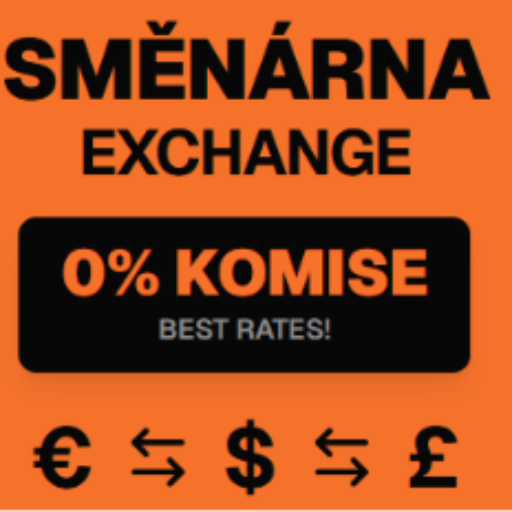
Tourist traps, particularly those found in high-traffic areas like Wenceslas Square or near major attractions, are notorious for advertising seemingly attractive exchange rates that are significantly worse than the interbank rate once all factors are considered. They often display large “0% commission” signs, which can be misleading, as they simply bake their profit into a highly unfavorable exchange rate. Always compare the rate offered to the interbank rate using a reliable online tool before committing to any exchange. A significant deviation should raise a red flag.
2. Unveiling Fees, Commissions, and Dynamic Currency Conversion
Beyond the exchange rate itself, several other charges can impact the final amount of Koruna you receive. “Commissions” are explicit fees charged by exchange offices or banks for their service. While some advertise “0% commission,” as mentioned, this often means they’ve widened their exchange rate spread to compensate. Always ask about any applicable commissions before initiating a transaction, as they can sometimes be a percentage of the amount exchanged or a flat fee.
Another subtle but significant cost is Dynamic Currency Conversion (DCC). This occurs when you’re given the option to pay in your home currency (e.g., USD, GBP, EUR) when using a card at a POS terminal or ATM in a foreign country. While it might seem convenient to see the charge in your familiar currency, DCC almost invariably comes with a less favorable exchange rate set by the merchant’s payment processor, effectively adding a hidden fee. Always decline DCC and choose to pay in the local currency (CZK) when prompted, allowing your bank to process the conversion at what is typically a much better rate. This single decision can save you a considerable amount over your trip.
B. Pre-Trip Preparation: Optimizing Your Financial Toolkit
Effective financial management in Prague begins long before you arrive. Strategic pre-trip preparation can significantly enhance your Prague daily exchange strategy, ensuring you have the right tools and knowledge at your disposal. This proactive approach minimizes stress and maximizes your financial efficiency once you’re on the ground.
1. The Role of Multi-Currency Accounts and Travel Cards
In today’s interconnected financial world, multi-currency accounts and specialized travel cards have emerged as powerful tools for international travelers. Services like Revolut, Wise (formerly TransferWise), and N26 allow you to hold balances in multiple currencies, including CZK, and often offer near-interbank exchange rates with transparent, low fees for conversions. These cards function like debit cards, allowing you to spend directly in Koruna without incurring foreign transaction fees from your home bank.

Researching and setting up one of these accounts before your trip can be a game-changer for your Prague daily exchange strategy. You can often top up your account in your home currency and convert it to CZK when the exchange rate is favorable, effectively locking in a good rate. Furthermore, these cards often come with robust security features and easy management through mobile apps, providing peace of mind while traveling.
2. Strategic Cash vs. Card Usage: A Balanced Approach
While Prague is increasingly card-friendly, particularly in tourist areas and larger establishments, cash still plays a significant role in daily transactions. Smaller shops, market stalls, and some local restaurants or cafes may prefer or only accept cash. Therefore, a balanced approach combining both card and cash usage is optimal. Relying solely on cards might leave you in a bind in certain situations, while carrying excessive amounts of cash poses security risks.
Plan to have a moderate amount of Koruna cash for smaller purchases, tips, and emergencies. For larger expenses like hotel bills, significant restaurant meals, or shopping in department stores, using a travel card or a credit card with no foreign transaction fees is generally preferable due to better exchange rates and enhanced security. Remember to always choose to pay in CZK when using your card to avoid DCC. This blend of payment methods offers both convenience and cost-effectiveness, forming a core component of a flexible Prague daily exchange strategy.III. On-the-Ground Prague Daily Exchange Strategy: Real-Time Optimization
Once you’ve arrived in Prague, your pre-trip preparation will pay dividends, but real-time optimization of your exchange strategy remains crucial. Knowing where and how to exchange money safely and efficiently is key to making your Koruna go further. This section focuses on practical, actionable advice for navigating Prague’s financial landscape.
A. Locating and Utilizing Reputable Exchange Services
The choice of where to exchange your money can significantly impact the value you receive. Not all exchange services are created equal, and some are best avoided entirely. Prioritizing reputable establishments is a cornerstone of any effective Prague daily exchange strategy.
1. Banks, ATMs, and Licensed Exchange Offices: Pros and Cons
Banks: Czech banks (e.g., Česká spořitelna, Komerční banka, Raiffeisenbank) generally offer fair, though not always the absolute best, exchange rates. They are highly secure and transparent about their fees. However, their operating hours can be limited, and the process might involve queues and paperwork, especially if you’re not a customer. They are a reliable option if you prioritize security and are willing to sacrifice a small margin for peace of mind. ATMs: Using an ATM (bankomat) connected to a reputable bank is often one of the best ways to get cash in Prague, especially if your home bank or travel card provider offers low or no foreign transaction fees. ATMs provide competitive exchange rates, usually close to the interbank rate, and offer 24/7 access. However, be mindful of “standalone” ATMs, particularly those found in tourist areas, which might charge exorbitant fees or offer poor exchange rates. Always use ATMs directly associated with established banks. Crucially, when prompted, always decline Dynamic Currency Conversion (DCC) and choose to be charged in CZK. This ensures your bank processes the conversion, typically at a much better rate than the ATM operator. Licensed Exchange Offices: These can offer very competitive rates, sometimes even better than banks. The key is to find reputable ones. Look for offices that clearly display their exchange rates (both buying and selling) and list any commissions upfront. A popular and often recommended choice for tourists is eXchange s.r.o. (often referred to simply as “eXchange”), located near Old Town Square. They are known for transparent, excellent rates and minimal fees. Always check recent reviews and compare rates before committing. A good Prague daily exchange strategy involves identifying one or two trusted exchange offices and sticking with them.2. Avoiding Scams and Unofficial Vendors
Prague, like any major tourist city, has its share of less-than-reputable operators. Avoiding these is paramount to protecting your finances. Be extremely wary of individuals approaching you on the street offering to exchange money – this is almost certainly a scam, and you risk receiving counterfeit currency or being short-changed. Never engage with unofficial vendors.
Similarly, avoid exchange offices that advertise “0% commission” but display rates that are significantly worse than the interbank rate. Always read the fine print, especially the “buy” (nákup) and “sell” (prodej) rates for your specific currency. Some offices might display an excellent “buy” rate for a different currency, or only show the rate for exchanging a very large sum, which won’t apply to smaller transactions. If an offer seems too good to be true, it almost certainly is. Trust your instincts and walk away if anything feels suspicious.
B. Dynamic Exchange Tactics for Everyday Spending
Beyond choosing the right service, employing dynamic tactics can further optimize your daily exchanges. These strategies involve being aware of market fluctuations and leveraging technology to your advantage. A proactive Prague daily exchange strategy is always evolving with market conditions.
1. Timing Your Exchanges: Monitoring Trends and Weekend Rates
While predicting currency fluctuations with absolute certainty is impossible for the average traveler, being generally aware of trends can be beneficial. Currency markets are dynamic, and rates can shift throughout the day and week. Major financial news outlets or currency converter apps can provide a general sense of the Koruna’s strength against your home currency.
A common piece of advice for many currencies is to avoid exchanging money on weekends or public holidays, as fewer market participants can lead to wider spreads and less favorable rates. While this might be less pronounced for major currencies, it’s a good general rule of thumb. If you anticipate needing a significant amount of cash, try to exchange it during weekdays. For smaller, daily needs, the difference might be negligible, but for larger sums, timing can make a slight difference.
2. Leveraging Technology: Apps and Online Tools for Real-Time Comparison
In the digital age, your smartphone can be your most powerful ally in maximizing exchange value. Numerous apps and online tools provide real-time exchange rates, allowing you to compare offers on the go. Apps like XE Currency Converter or similar financial tools can instantly show you the interbank rate, providing a benchmark against which to measure the rates offered by various exchange offices or ATMs.
Some local Prague-specific apps or websites (often run by reputable exchange offices themselves) might even allow you to compare rates from different providers in the city. Before heading out to exchange money, quickly check these resources. This quick check can save you from walking into a less favorable deal and direct you to the best available option, ensuring your Prague daily exchange strategy is always informed by the latest data.IV. Beyond the Transaction: Holistic Financial Empowerment in Prague
True financial empowerment in Prague extends beyond merely optimizing individual currency exchanges. It encompasses a broader approach to managing your money, from meticulous budgeting to long-term financial planning. This holistic perspective ensures that your financial resources are utilized effectively throughout your stay, enhancing your overall experience.
A. Budgeting and Expense Tracking for Maximized Value

A well-structured budget and diligent expense tracking are indispensable tools for anyone looking to maximize their financial value in Prague. These practices provide clarity, control, and insights into your spending habits, allowing for adjustments that align with your financial goals. Without these, even the most astute Prague daily exchange strategy can be undermined by uncontrolled spending.
1. Crafting a Realistic Prague Budget
Before your trip, take the time to create a detailed budget that reflects your anticipated expenses in Prague. Categorize your spending into areas such as accommodation, food, transportation, attractions, shopping, and a contingency fund for unforeseen circumstances. Research average costs for these categories in Prague to make your budget realistic. Websites, travel blogs, and even asking friends who have visited can provide valuable insights into typical expenses.
Be honest with yourself about your spending habits and preferences. If you plan to dine at Michelin-starred restaurants, your food budget will be considerably higher than if you primarily eat at local eateries or prepare some of your own meals. A realistic budget acts as a financial roadmap, guiding your decisions and preventing overspending. Regularly reviewing your budget against actual spending will help you stay on track and make necessary adjustments.
2. Utilizing Expense Trackers for Financial Awareness
Once your budget is in place, the next crucial step is to track your expenses diligently. This doesn’t have to be a cumbersome process. Simple mobile apps (e.g., Wallet by BudgetBakers, Spendee, or even a spreadsheet on your phone) allow you to quickly log every transaction. Many banking apps also offer integrated expense tracking features. The act of recording each expense creates immediate financial awareness, making you more conscious of where your money is going.
Expense tracking helps you identify areas where you might be overspending and allows you to make course corrections in real-time. For instance, if you notice your coffee budget is unexpectedly high, you might decide to cut back on other discretionary spending. This continuous feedback loop is vital for maintaining financial control and ensuring you stick to your Prague daily exchange strategy and overall financial plan. It provides concrete data to evaluate the effectiveness of your spending habits.
B. Long-Term Financial Planning and Future-Proofing
For those considering extended stays in Prague, or frequent return visits, a longer-term financial perspective becomes increasingly important. Understanding local banking options and refining your strategy based on experience can lead to even greater financial efficiency. This proactive approach ensures sustainability in your financial engagements.
1. Understanding Local Banking Options for Extended Stays
If you plan to live or work in Prague for an extended period, opening a local bank account can offer significant advantages. A Czech bank account simplifies receiving local payments (like salaries), paying bills, and avoiding repeated currency exchange fees. It also provides a local debit card for everyday spending, often with lower fees than international cards. The process typically requires proof of address, an ID, and sometimes a long-term visa or residency permit.
Research different Czech banks and their offerings for non-residents or expatriates. Look for accounts with low monthly fees, free ATM withdrawals, and good online banking services. Establishing a local banking relationship integrates you more deeply into the local financial system and can streamline many aspects of your daily life, making it a critical component of a comprehensive Prague daily exchange strategy for long-term residents. For more specific information on setting up an account, resources like this guide on opening a bank account in the Czech Republic can be invaluable.
2. Preparing for Future Visits: Refining Your Prague Daily Exchange Strategy
Every trip to Prague offers an opportunity to learn and refine your financial approach. After your first visit, take some time to review your spending and exchange habits. What worked well? What could have been done better? Did you consistently find good rates at a particular exchange office? Did you incur unexpected fees? This reflective process is invaluable for future-proofing your financial engagements.
Keep notes on good exchange offices, ATM locations, and any payment methods that proved particularly efficient. If you used a multi-currency card, analyze its performance. If you plan regular trips to Prague, consider maintaining a small balance in CZK on a multi-currency account, allowing you to take advantage of favorable exchange rates when they occur, even when you’re not physically in the country. This continuous learning and adaptation ensure that your Prague daily exchange strategy evolves and improves with each interaction, maximizing your financial advantage in the Czech capital for years to come.V. Conclusion: Sustaining Your Financial Advantage in Prague
Navigating the financial intricacies of a foreign city like Prague doesn’t have to be a daunting task. By adopting a proactive and informed approach, you can transform potential financial headaches into opportunities for savings and enhanced experiences. The strategic financial empowerment outlined in this guide is designed to give you control over your money, ensuring it works harder for you, rather than for intermediaries.
A. Recap of Key Strategic Principles
To recap, a successful Prague daily exchange strategy hinges on several core principles:
Knowledge is Power: Understand exchange rates, spreads, commissions, and Dynamic Currency Conversion (DCC). Always decline DCC and pay in CZK. Preparation is Key: Optimize your financial toolkit before you arrive, utilizing multi-currency accounts and travel cards, and planning a balanced approach to cash and card usage. On-the-Ground Savvy: Prioritize reputable exchange services like bank-affiliated ATMs and trusted licensed exchange offices (e.g., eXchange s.r.o.), avoiding unofficial vendors and tourist traps. Dynamic Optimization: Leverage technology for real-time rate comparisons and consider timing your larger exchanges. Holistic Management: Implement robust budgeting and expense tracking practices, and for longer stays, explore local banking options.These principles, when applied consistently, form a robust framework for managing your finances efficiently in Prague. They empower you to make deliberate choices that align with your financial goals, rather than falling prey to common pitfalls.
B. Empowering Your Future Financial Engagements in the Czech Capital
The journey of financial empowerment in Prague is an ongoing one. The insights gained from this guide are not just for your current trip but are transferable skills that will serve you well in any international financial context. By diligently applying a strategic mindset to your daily exchanges and overall financial management, you cultivate a sense of confidence and control that enhances your entire travel experience.
As you continue to explore the beautiful streets of Prague, knowing that you are making informed financial decisions allows you to focus more on the city’s charm and less on financial worries. This sustained financial advantage ensures that your memories of Prague are filled with cultural richness and personal enjoyment, unburdened by unnecessary expenses. We encourage you to visit the official Czech National Bank website for the most accurate official exchange rates and financial regulations, ensuring you always have access to authoritative information.