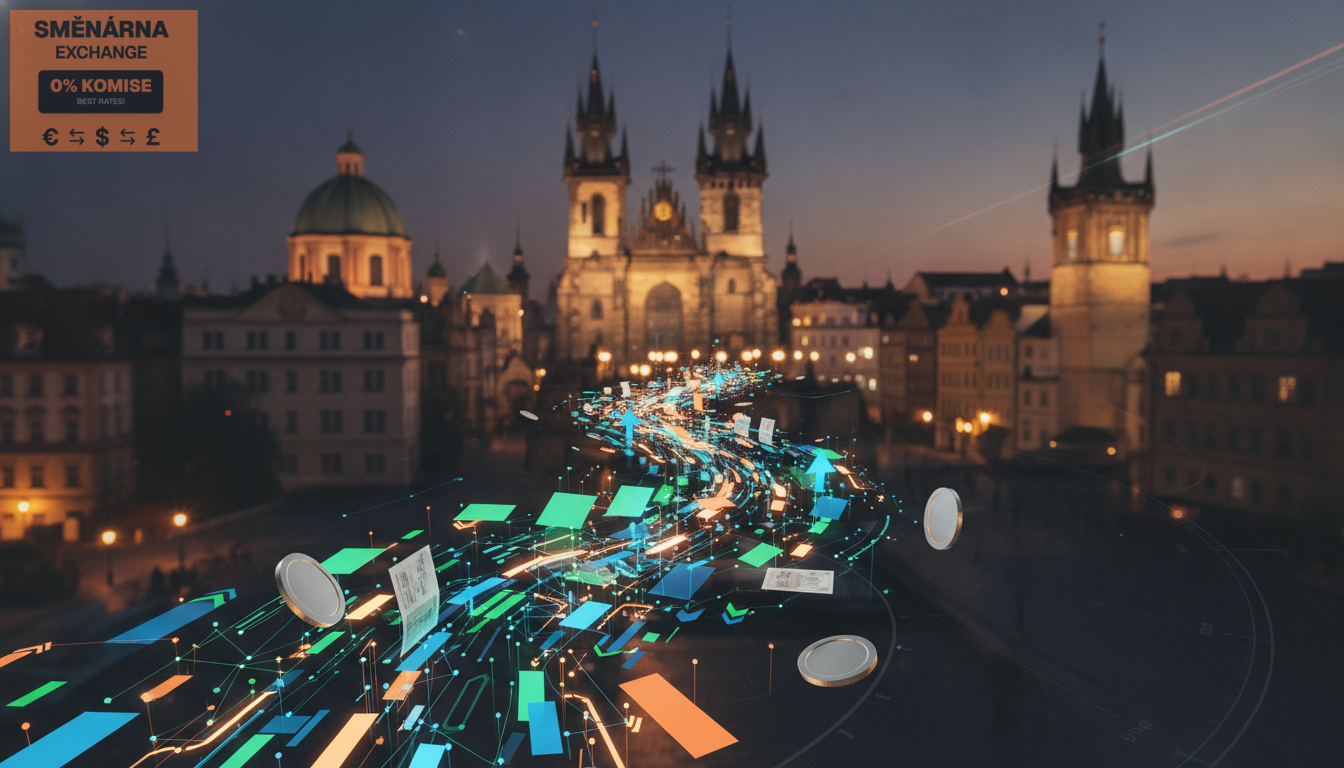




العيش في براغ: نصائح أساسية لإدارة أموالك اليومية
الانتقال إلى براغ مغامرة شيقة، لكن إدارة الشؤون المالية في بلد جديد قد تبدو مُرهقة. يقدم هذا الدليل الشامل نصائح أساسية لإتقان إدارة أموالك اليومية، مما يجعل انتقالك أكثر سلاسة ومتعة. بدءًا من إنشاء حسابك المصرفي الأولي وصولًا إلى التخطيط الاستراتيجي طويل الأجل، سنغطي كل ما تحتاج معرفته لتحقيق النجاح. إدارة ميزانية المغتربين في براغ.# تسهيل عملية تأسيسك المالي الأولي في براغ
يُعدّ ترسيخ وضعك المالي في براغ من أولى وأهم الخطوات لأي وافد جديد. ففهم النظام المصرفي المحلي والعملة والتكاليف الأولية سيُهيئك للنجاح.# وضع ممارسات مصرفية ونقدية
يُعدّ فتح حساب مصرفي والتعرّف على العملة المحلية من الأمور الأساسية. توفر براغ خيارات متنوعة، واتخاذ قرارات مدروسة في وقت مبكر يوفر عليك الوقت والمال.## اختيار الحساب المصرفي التشيكي المناسب (الخيارات المحلية مقابل الخيارات الدولية)
عند التفكير في فتح حساب مصرفي في براغ، ستجد أمامك خيارين رئيسيين: البنوك التشيكية المحلية أو البنوك الدولية العاملة في جمهورية التشيك. تُعدّ البنوك المحلية مثل Česká spořitelna وKomerční banka وFio banka خيارات شائعة، إذ غالبًا ما تُقدّم رسومًا تنافسية للمعاملات المحلية وشبكة واسعة من أجهزة الصراف الآلي. كما أنها مُلِمّة باللوائح المحلية وتُقدّم دعمًا ممتازًا باللغة التشيكية، وغالبًا باللغة الإنجليزية أيضًا. أما البنوك الدولية مثل Raiffeisenbank أو UniCredit Bank، فقد تكون مألوفة أكثر إذا كنت قادمًا من بلد تعمل فيه، مما يُسهّل عليك تحويل الأموال بين بلدك الأم وجمهورية التشيك. مع ذلك، من الضروري مقارنة رسومها للتحويلات الدولية والخدمات المصرفية اليومية، إذ قد تكون هذه الرسوم أعلى في بعض الأحيان. يجد العديد من المغتربين أن الحساب المصرفي التشيكي المحلي هو الأنسب لأمور الحياة اليومية ودفع الفواتير.فهم الكرونة التشيكية (CZK) وأسعار الصرف
العملة الرسمية لجمهورية التشيك هي الكرونة التشيكية (CZK). ورغم أن براغ مدينة أوروبية رئيسية، إلا أنها ليست جزءًا من منطقة اليورو، لذا ستتعامل بالكرونة في جميع معاملاتك. من المفيد أن تتعرف على فئات الأوراق النقدية (100، 200، 500، 1000، 2000، 5000 كرونة تشيكية) والعملات المعدنية (1، 2، 5، 10، 20، 50 كرونة تشيكية). يُعد فهم أسعار الصرف أمرًا بالغ الأهمية، خاصةً عند تحويل الأموال من عملتك المحلية. تتغير أسعار الصرف يوميًا، لذا فإن متابعتها من خلال مصادر موثوقة سيساعدك على تحديد أفضل وقت لتحويل مبالغ كبيرة. احذر من مكاتب الصرافة في المناطق السياحية التي تقدم أسعارًا مغرية بشكل غير معتاد، حيث غالبًا ما تكون هناك رسوم خفية أو أسعار صرف أقل ملاءمة عند التدقيق.نصائح عملية لصرف العملات واستخدام أجهزة الصراف الآلي
عند صرف العملات، تُعدّ مكاتب الصرافة الموثوقة أفضل عمومًا من تلك الموجودة في المناطق السياحية. اسأل دائمًا عن المبلغ الإجمالي الذي ستستلمه بعد خصم جميع الرسوم، واطلع على التقييمات عبر الإنترنت إن أمكن. عند استخدام أجهزة الصراف الآلي، قد تتكبّد رسومًا كبيرة من كلٍّ من بنكك ومشغل جهاز الصراف الآلي عند سحب النقود مباشرةً من حسابك المصرفي الأجنبي. ابحث عن أجهزة الصراف الآلي التابعة للبنوك التشيكية الكبرى، حيث تكون رسومها المباشرة عادةً أقل أو معدومة. يُنصح دائمًا برفض عرض جهاز الصراف الآلي لتحويل العملية إلى عملتك المحلية (التحويل الديناميكي للعملات)، لأن سعر صرفه غالبًا ما يكون أقل فائدة من سعر صرف بنكك. بدلًا من ذلك، اختر الدفع بالكرونة التشيكية (CZK).مقدمة عن تطبيقات الخدمات المصرفية والدفع عبر الهاتف المحمول في براغ
براغ مدينة عصرية تشهد إقبالاً واسعاً على الخدمات المالية الرقمية. تقدم معظم البنوك التشيكية تطبيقات مصرفية ممتازة للهواتف المحمولة تتيح لك إدارة حساباتك، وإجراء التحويلات، ودفع الفواتير بسهولة. تتوفر هذه التطبيقات غالباً باللغة الإنجليزية، مما يجعلها في متناول المغتربين. علاوة على ذلك، تُقبل المدفوعات اللاتلامسية على نطاق واسع في براغ، من محلات السوبر ماركت إلى المقاهي ووسائل النقل العام. يُستخدم كل من Google Pay وApple Pay بشكل شائع، كما تقدم العديد من البنوك التشيكية تطبيقات دفع خاصة بها أو خدمات متكاملة. إن تبني هذه الأدوات الرقمية يُسهّل معاملاتك المالية اليومية ويقلل من حاجتك لحمل مبالغ نقدية كبيرة.التكاليف الأولية والعقبات الإدارية #
عند وصولك، ستواجه عدة تكاليف أولية ومتطلبات إدارية يجب أخذها في الاعتبار عند وضع ميزانيتك الفورية. سيساعدك الاستعداد لهذه النفقات على تجنب أي مفاجآت غير سارة.رسوم التأشيرة وتصريح الإقامة ##
بحسب جنسيتك والغرض من إقامتك، ستحتاج على الأرجح إلى التقدم بطلب للحصول على تأشيرة وتصريح إقامة لاحق. تتضمن هذه الطلبات رسومًا تختلف باختلاف نوع التأشيرة ومدة الإقامة. من الضروري البحث جيدًا عن المتطلبات المحددة والتكاليف المرتبطة بها قبل انتقالك بوقت كافٍ. هذه الرسوم غير قابلة للاسترداد ويجب دفعها عند تقديم الطلب، لذا تأكد من إدراجها ضمن أولوياتك في التخطيط المالي الأولي.## ودائع السكن وإيجار الشهر الأول
يُعدّ تأمين السكن عادةً من أكبر النفقات الأولية. يشترط مُلاك العقارات في براغ عمومًا دفع وديعة تأمين، تُعادل عادةً إيجار شهر أو شهرين، وأحيانًا ثلاثة أشهر. تُحتفظ هذه الوديعة لتغطية أي أضرار مُحتملة أو إيجار غير مدفوع، وتُردّ عادةً عند انتهاء عقد الإيجار، بشرط ترك العقار في حالة جيدة. بالإضافة إلى الوديعة، ستحتاج أيضًا إلى دفع إيجار الشهر الأول مُقدمًا. في حال الاستعانة بوكيل عقاري، قد تُفرض عليك رسوم وكالة، تُعادل إيجار شهر واحد بالإضافة إلى ضريبة القيمة المضافة.رسوم توصيل المرافق والإعداد الأولي ##
بعد العثور على سكنك، ستحتاج إلى التفكير في توصيلات المرافق. فبينما يُدرج بعض الملاك هذه الخدمات ضمن الإيجار، يشترط الكثيرون على المستأجرين إنشاء حساباتهم الخاصة للكهرباء والغاز والإنترنت. وقد تُفرض رسوم توصيل أولية أو رسوم إدارية عند إعداد هذه الخدمات. من المهم توضيح الخدمات المشمولة مع مالك العقار وما هي مسؤولياتك. كما قد يطلب مزودو خدمة الإنترنت رسوم تفعيل أو وديعة للأجهزة.تصاريح النقل العام وتكاليف التنقل الأولية
تتميز براغ بنظام نقل عام ممتاز، يشمل الترام والمترو والحافلات. للتنقلات اليومية، يُنصح بشراء تذاكر فردية أو اشتراكات قصيرة الأجل. أما للإقامات الطويلة، فتُوفر بطاقة Opencard أو Lítačka وفورات كبيرة. تُمكّنك هذه البطاقات من شراء اشتراكات شهرية أو ربع سنوية أو سنوية بتكلفة أقل بكثير من التذاكر اليومية. ضع في اعتبارك تكلفة الحصول على هذه البطاقة واشتراكك الأول طويل الأجل عند وضع ميزانيتك الأولية. سيضمن لك فهم المناطق وأنواع التذاكر التنقل بكفاءة وبتكلفة معقولة منذ اليوم الأول.# إتقان ميزانيتك الشهرية: دليل ميزانية للمغتربين في براغ
بمجرد إتمام الإعداد الأولي، يتحول التركيز إلى إدارة نفقاتك الشهرية المتكررة. تُعدّ الميزانية المنظمة جيدًا ضرورية لتحقيق الاستقرار المالي والاستمتاع بالحياة في براغ. يقدم هذا القسم تفصيلًا دقيقًا لنفقات المعيشة الأساسية والإنفاق الاختياري.نفقات المعيشة الأساسية في براغ (#)
هذه هي التكاليف الثابتة التي تُشكّل أساس ميزانيتك الشهرية. سيساعدك فهم الأسعار التقريبية على تخصيص الأموال بكفاءة.## الإيجار والمرافق: تفصيل دقيق للتكاليف النموذجية (الكهرباء والغاز والماء والإنترنت)
يُعدّ الإيجار عادةً أكبر بند في المصروفات الشهرية في براغ. وتختلف الأسعار اختلافًا كبيرًا بناءً على الموقع والمساحة والمرافق. يتراوح إيجار الاستوديو أو الشقة المكونة من غرفة نوم واحدة في وسط المدينة أو في الأحياء التي يرتادها المغتربون بكثرة، مثل فينوهرادي أو جيجكوف، بين 15,000 و25,000 كرونة تشيكية شهريًا. أما في المناطق الأبعد، أو للشقق الأكبر حجمًا، فقد تصل الأسعار إلى 35,000 كرونة تشيكية أو أكثر. تشمل الخدمات عادةً الكهرباء والغاز (إن وُجد) والماء والإنترنت. تتراوح فواتير الكهرباء للفرد الواحد بين 800 و1,500 كرونة تشيكية شهريًا، حسب الاستهلاك. أما الغاز، المستخدم أساسًا للتدفئة وتسخين المياه، فقد يكون أغلى في الشتاء، حيث يتراوح بين 500 و2,000 كرونة تشيكية. تُدفع فواتير الماء والصرف الصحي عادةً كل ثلاثة أشهر، ويبلغ متوسطها 300 إلى 600 كرونة تشيكية شهريًا. أما الإنترنت فائق السرعة، فيتراوح سعره عادةً بين 400 و700 كرونة تشيكية شهريًا. من الضروري التمييز بين الإيجار الشامل والإيجار الذي تُفصل فيه فواتير الخدمات. احرص دائمًا على توضيح تكاليف الخدمات مع مالك العقار لتجنب الفواتير غير المتوقعة.البقالة والطعام: وضع ميزانية لمحلات السوبر ماركت، وأسواق المزارعين، وتناول الطعام في الخارج
يُعدّ الطعام جزءًا أساسيًا من أي ميزانية. تُقدّم براغ خيارات متنوعة، بدءًا من محلات السوبر ماركت ذات الأسعار المناسبة وصولًا إلى أسواق المزارعين النابضة بالحياة والمطاعم المتنوعة. تُقدّم سلاسل محلات السوبر ماركت الكبرى مثل ألبرت، وبيلا، وليدل، وكوفلاند أسعارًا تنافسية للسلع الأساسية اليومية. تتراوح فاتورة البقالة الأسبوعية لشخص واحد بين 800 و1500 كرونة تشيكية، وذلك حسب العادات الغذائية. تُقدّم أسواق المزارعين، مثل سوق جيري ز بوديبراد أو نابلافكا، منتجات طازجة موسمية، غالبًا بأسعار معقولة، وهي طريقة رائعة للتعرف على الثقافة المحلية. تتراوح تكلفة تناول الطعام في الخارج بين وجبات غداء اقتصادية (بوليدني مينو) في الحانات والمطاعم المحلية، والتي تتراوح تكلفتها بين 150 و250 كرونة تشيكية، إلى وجبات عشاء متوسطة التكلفة تتراوح تكلفتها بين 300 و600 كرونة تشيكية للشخص الواحد. من الطبيعي أن تكون المطاعم الفاخرة أغلى ثمنًا. يُعدّ التوازن بين الطبخ في المنزل وتناول الطعام في الخارج من حين لآخر أمرًا أساسيًا لتخطيط ميزانية فعّال. إدارة ميزانية المغتربين في براغ.## المواصلات: بطاقات النقل العام، وخدمات مشاركة الركوب، واستخدام سيارات الأجرة عند الحاجة
نظام النقل العام في براغ فعال وبأسعار معقولة. تبلغ تكلفة الاشتراك الشهري (měsíční jízdenka) حوالي 550 كرونة تشيكية، بينما يبلغ سعر الاشتراك السنوي (roční jízdenka) حوالي 3650 كرونة تشيكية، مما يوفر مبالغ كبيرة. تغطي هذه الاشتراكات جميع وسائل النقل العام داخل مناطق المدينة. وللسفر العرضي خارج المسارات المعتادة، تتوفر تطبيقات مشاركة الرحلات مثل Bolt وUber على نطاق واسع، وهي عمومًا أرخص من سيارات الأجرة التقليدية. قد تكلف رحلة قصيرة داخل مركز المدينة ما بين 100 و250 كرونة تشيكية. تُعد سيارات الأجرة خيارًا متاحًا، ولكن يجب استخدامها بحذر؛ تأكد دائمًا من تشغيل العداد أو اتفق على السعر مسبقًا، خاصةً عند إيقاف السيارة في الشارع. لمزيد من المعلومات التفصيلية حول التنقل في المدينة بتكلفة معقولة، اطلع على دليلنا حول إدارة الشؤون المالية الذكية للمغتربين في براغ: دليلك اليومي.الرعاية الصحية: فهم التأمين العام مقابل التأمين الخاص والتكاليف المدفوعة من الجيب
يعتمد نظام الرعاية الصحية في جمهورية التشيك على نظام ثنائي: عام وخاص. إذا كنت موظفًا في شركة تشيكية، فسيتم تسجيلك تلقائيًا في نظام التأمين الصحي العام، الممول من اشتراكات الضمان الاجتماعي، والذي يغطي طيفًا واسعًا من الخدمات الطبية. أما بالنسبة لغير مواطني الاتحاد الأوروبي أو غير العاملين في أي جهة تشيكية، فإن التأمين الصحي الخاص إلزامي عادةً لأغراض الإقامة. توفر شركات مثل VZP (أكبر شركة تأمين عام، والتي تقدم أيضًا خيارات خاصة للمغتربين) وSlavia خططًا متنوعة. تتراوح تكلفة التأمين الخاص بين 1000 و3000 كرونة تشيكية شهريًا، حسب التغطية. يُرجى الانتباه إلى التكاليف الإضافية المحتملة للأدوية الموصوفة، وزيارات الأخصائيين، وعلاجات الأسنان، والتي قد لا تغطيها جميع الخطط بالكامل.# الإنفاق التقديري وخيارات نمط الحياة
إلى جانب الضروريات، ستؤثر خيارات نمط حياتك بشكل كبير على ميزانيتك الشهرية. تتميز براغ بحياة ثقافية واجتماعية ثرية، لذا فإن تخصيص ميزانية لهذه الأنشطة يضمن لك الاستمتاع بتجربة الاغتراب على أكمل وجه.## الترفيه والتواصل الاجتماعي: الحانات والمطاعم والفعاليات الثقافية
تشتهر براغ بحياتها الليلية النابضة بالحياة، ومطاعمها المتعددة، وعروضها الثقافية الغنية. يتراوح سعر كأس البيرة في الحانات المحلية بين 50 و80 كرونة تشيكية، بينما قد يصل سعر الكوكتيلات في الحانات الراقية إلى ما بين 150 و250 كرونة تشيكية. أما تناول الطعام في مطعم متوسط المستوى فيتراوح بين 300 و600 كرونة تشيكية للشخص الواحد، ويشمل الطبق الرئيسي والمشروب. وتتراوح أسعار تذاكر الفعاليات الثقافية، كالمسرح والأوبرا والحفلات الموسيقية الكلاسيكية، بين 300 و1500 كرونة تشيكية، وذلك بحسب المكان والعرض. أما تذاكر السينما، فتتراوح أسعارها عادةً بين 150 و250 كرونة تشيكية. يُتيح لك تخصيص ميزانية لهذه الأنشطة الانغماس في نسيج براغ الاجتماعي الغني.اللياقة البدنية والهوايات: عضويات الصالات الرياضية، والصفوف، والأنشطة الخارجية
يُعدّ الحفاظ على النشاط في براغ أمرًا سهلاً بفضل وفرة الصالات الرياضية واستوديوهات اللياقة البدنية والمساحات الخارجية. تتراوح رسوم عضوية الصالات الرياضية عادةً بين 600 و1500 كرونة تشيكية شهريًا، مع توفير بعضها خصومات سنوية. كما تُقدّم العديد من الاستوديوهات حصصًا تجريبية أو باقات اشتراك متعددة لليوغا أو البيلاتس أو الرقص. وتُتيح حدائق براغ ونهر فلتافا فرصًا ممتازة للجري وركوب الدراجات والمشي، وهي أنشطة مجانية. يُنصح بالانضمام إلى النوادي الرياضية المحلية أو مجموعات الهوايات، والتي غالبًا ما تفرض رسوم عضوية، ولكنها تُوفّر طريقة رائعة للتعرّف على أشخاص جدد وممارسة هواياتك. تُشكّل هذه التكاليف جزءًا من نهج شامل لنصائحك المالية في براغ: دليلك المالي اليومي.## السفر داخل جمهورية التشيك وأوروبا: التخطيط لميزانية رحلات نهاية الأسبوع
يُعد موقع براغ المركزي قاعدة مثالية لاستكشاف جمهورية التشيك وأوروبا عمومًا. تذاكر القطارات والحافلات داخل جمهورية التشيك بأسعار معقولة عمومًا؛ إذ قد تتراوح تكلفة رحلة ذهاب وعودة إلى مدينة رئيسية مثل برنو أو تشيسكي كروملوف بين 300 و600 كرونة تشيكية. أما بالنسبة للسفر إلى أوروبا، فتُسيّر شركات طيران منخفضة التكلفة مثل رايان إير وويز إير رحلاتها من مطار فاكلاف هافيل في براغ، موفرةً رحلات رخيصة إلى وجهات متنوعة. قد تتراوح تكلفة رحلة نهاية أسبوع إلى مدينة أوروبية قريبة بين 2000 و8000 كرونة تشيكية، وذلك بحسب الرحلات الجوية والإقامة والأنشطة. لذا، يُنصح أي مغترب في براغ بتخصيص مبلغ محدد للسفر.## العناية الشخصية والتسوق: قصات الشعر، والملابس، ومشتريات متنوعة
تُعدّ خدمات العناية الشخصية في براغ عمومًا أقل تكلفةً من مثيلاتها في أوروبا الغربية. قد تتراوح تكلفة قصّة شعر الرجال بين 300 و600 كرونة تشيكية، بينما تتراوح تكلفة قصّة شعر النساء بين 500 و1500 كرونة تشيكية. كما أن أسعار خدمات العناية بالأظافر وغيرها من علاجات التجميل معقولة. أما التسوق لشراء الملابس فيتيح لك خيارات متنوعة من العلامات التجارية العالمية والمتاجر المحلية. فبالإضافة إلى وجود متاجر التجزئة العالمية الكبرى، يمكنك العثور على قطع فريدة بأسعار أقل في الأسواق المحلية ومتاجر الملابس المستعملة. لذا، خصّص مبلغًا مناسبًا لهذه المشتريات المتنوعة لتجنّب الإسراف والحفاظ على راحتك الشخصية.# التخطيط المالي الاستراتيجي والادخار في براغ
إلى جانب إدارة النفقات اليومية، يُعدّ التخطيط المالي الاستراتيجي أمراً بالغ الأهمية لتحقيق الاستقرار المالي على المدى الطويل وبلوغ أهدافك المالية في براغ. ويشمل ذلك وضع ميزانية فعّالة، وفهم الالتزامات الضريبية، والتخطيط للمستقبل.استراتيجيات فعالة لإدارة ميزانية المغتربين في براغ (#)
يمكن لنهج استباقي في وضع الميزانية أن يغير تجربتك المالية في براغ، ويحول التحديات المحتملة إلى فرص للنمو والادخار.## إنشاء ميزانية شهرية واقعية: الأدوات والقوالب
إنّ أساس الإدارة المالية الفعّالة هو وضع ميزانية شهرية واقعية. ابدأ بحصر جميع نفقاتك الثابتة (الإيجار، فواتير الخدمات، التأمين، فاتورة الهاتف)، ثمّ قدّر نفقاتك المتغيرة (البقالة، المواصلات، الترفيه). تتوفر العديد من الأدوات والقوالب الإلكترونية، مثل تلك الموجودة في جداول بيانات جوجل أو تطبيقات الميزانية المتخصصة، لمساعدتك على تصوّر دخلك ونفقاتك. كن صادقًا مع نفسك بشأن عادات إنفاقك، وخصص الأموال وفقًا لذلك. الميزانية الجيدة وثيقة حية تراجعها وتعدّلها بانتظام.تتبع المصروفات: التطبيقات والطرق اليدوية
بمجرد وضع ميزانية، يصبح تتبع نفقاتك أمرًا بالغ الأهمية لضمان الالتزام بها. تتيح لك تطبيقات الهاتف المحمول مثل Spendee وMint وYNAB (You Need A Budget) ربط حساباتك البنكية وتصنيف المعاملات تلقائيًا، مما يوفر لك رؤية فورية لإنفاقك. إذا كنت تفضل اتباع أسلوب يدوي، فيمكنك استخدام جدول بيانات بسيط أو حتى دفتر ملاحظات. السر يكمن في الاستمرارية؛ تتبع كل نفقة، مهما كانت صغيرة. تساعدك هذه الممارسة على تحديد المجالات التي قد تُفرط فيها بالإنفاق وفرص التوفير.## تحديد مجالات خفض التكاليف وتحقيق الوفورات
ستساعدك مراجعة ميزانيتك وعادات إنفاقك بانتظام على اكتشاف مجالات محتملة لخفض التكاليف. هل يمكنك توفير المال على مشتريات البقالة عن طريق طهي المزيد من الطعام في المنزل وشراء المنتجات الموسمية؟ هل تدفع اشتراكات لم تعد تستخدمها؟ هل يمكنك المشي أو ركوب الدراجة أكثر بدلاً من استخدام المواصلات العامة للمسافات القصيرة؟ حتى التعديلات البسيطة، مثل تحضير القهوة في المنزل بدلاً من شرائها يومياً، يمكن أن تُحدث فرقاً مع مرور الوقت. يُعد البحث النشط عن الخصومات، ومقارنة أسعار الخدمات، والتفاوض حيثما أمكن، جزءاً من التخطيط الذكي. إدارة ميزانية المغتربين في براغ.## إنشاء صندوق طوارئ بالكرونة التشيكية
يُعدّ صندوق الطوارئ عنصرًا أساسيًا في الأمن المالي. احرص على ادخار ما يكفي لتغطية نفقات المعيشة الأساسية لمدة ثلاثة إلى ستة أشهر على الأقل في حساب توفير يسهل الوصول إليه. يوفر هذا الصندوق شبكة أمان لمواجهة الأحداث غير المتوقعة، مثل فقدان الوظيفة، أو الحالات الطبية الطارئة، أو السفر غير المخطط له. يضمن الاحتفاظ بهذا الصندوق بالكرونة التشيكية في حساب مصرفي تشيكي سهولة الوصول إليه، ويتجنب خسائر سعر الصرف المحتملة في حال احتجت إلى تحويل الأموال بسرعة من عملة أخرى. تمنحك هذه الاستراتيجية الاستباقية للادخار راحة البال، وتخفف من الضغوط المالية.الاعتبارات المالية طويلة الأجل #
إلى جانب الاحتياجات الفورية، ينبغي على المغتربين في براغ أيضاً مراعاة صحتهم المالية على المدى الطويل، بما في ذلك الالتزامات الضريبية واستراتيجيات الاستثمار والاستعداد للمستقبل.## فهم الالتزامات الضريبية التشيكية للمغتربين
قد يكون فهم النظام الضريبي التشيكي معقدًا بالنسبة للمغتربين. إذا كنت موظفًا في جمهورية التشيك، فسيتولى صاحب العمل عادةً ضريبة الدخل ومساهمات الضمان الاجتماعي. أما إذا كنت تعمل لحسابك الخاص أو لديك دخل من مصادر أخرى، فسيتعين عليك تقديم إقرار ضريبي سنوي. تبدأ السنة الضريبية التشيكية في الأول من يناير وتنتهي في الحادي والثلاثين من ديسمبر. من الضروري فهم وضع إقامتك الضريبية وأي اتفاقيات لتجنب الازدواج الضريبي بين جمهورية التشيك وبلدك الأم. يُنصح بشدة باستشارة مستشار ضريبي مؤهل متخصص في ضرائب المغتربين لضمان الامتثال الضريبي وتحسين وضعك الضريبي.## الادخار لتحقيق الأهداف المستقبلية: الاستثمارات والتخطيط للتقاعد (خيارات محلية مقابل خيارات دولية)
يتطلب الادخار لتحقيق أهداف مستقبلية، سواءً كان ذلك دفعة أولى لشراء عقار، أو تعليم الأبناء، أو التقاعد، تخطيطًا دقيقًا. يمكنك استكشاف خيارات الاستثمار المحلية من خلال البنوك أو المؤسسات المالية التشيكية، التي قد تُقدم حسابات توفير، أو صناديق استثمار مشتركة، أو خطط تقاعد. أو قد تُفضل مواصلة الاستثمار عبر منصات أو مستشارين دوليين، خاصةً إذا كنت تُخطط للانتقال مرة أخرى في المستقبل. ضع في اعتبارك الآثار الضريبية للاستثمارات المحلية والدولية على حد سواء. يُعد التخطيط للتقاعد بالغ الأهمية؛ لذا افهم كيف يُمكن أن تُترجم مساهماتك في نظام الضمان الاجتماعي التشيكي إلى استحقاقات مستقبلية، واستكشف خطط التقاعد الخاصة إذا لزم الأمر.## التعامل مع النفقات غير المتوقعة والنكسات المالية
رغم التخطيط الدقيق، قد تحدث نفقات غير متوقعة وعقبات مالية. وهنا تبرز أهمية صندوق الطوارئ. بالنسبة للتكاليف الكبيرة غير المتوقعة، يُنصح بالاطلاع على خيارات القروض قصيرة الأجل أو خطوط الائتمان من البنوك التشيكية، مع ضرورة توخي الحذر عند التعامل معها نظرًا لأسعار الفائدة. كما يُنصح بفهم وثائق التأمين الخاصة بك فهمًا دقيقًا - التأمين الصحي، وتأمين الممتلكات، وتأمين المسؤولية - لضمان حمايتك بشكل كافٍ من الصدمات المالية الكبيرة. فالاستعداد للمفاجآت عنصر أساسي في الإدارة المالية المسؤولة.## طلب المشورة المالية الاحترافية في براغ
في الحالات المالية المعقدة، كالتخطيط الضريبي، واستراتيجيات الاستثمار، والتخطيط للتقاعد، يُنصح بشدة باستشارة خبير مالي. يوجد في براغ مستشارون ماليون وخبراء ضرائب متخصصون في مساعدة المغتربين، حيث يقدمون نصائح مصممة خصيصًا لتناسب ظروفك وجنسيتك وخططك المستقبلية. يساعدك الخبير على فهم تعقيدات الأنظمة المالية التشيكية، وتحسين استثماراتك، وضمان اتخاذ قرارات مدروسة تضمن لك الاستقرار المالي على المدى الطويل. ابحث عن مستشارين معتمدين وحاصلين على تقييمات إيجابية من مغتربين آخرين.# أدوات وموارد عملية لإدارة ميزانية المغتربين في براغ
إن الاستفادة من الأدوات والموارد المناسبة يمكن أن تبسط بشكل كبير إدارة أموالك في براغ، مما يجعل وضع الميزانية والادخار أكثر سهولة وكفاءة.# أدوات رقمية للإدارة المالية
في عصرنا الرقمي الحالي، يمكن لعدد كبير من التطبيقات والمنصات الإلكترونية أن تساعدك في كل جانب من جوانب حياتك المالية.توصيات لتطبيقات وبرامج إدارة الميزانية ##
تتوفر العديد من تطبيقات إدارة الميزانية لمساعدتك في تتبع إنفاقك، وتصنيف المصروفات، وتصور وضعك المالي. ومن بين الخيارات الشائعة: المستفيد: تطبيق تم تطويره في جمهورية التشيك، ويتكامل مع العديد من البنوك المحلية، ويقدم ميزات بديهية لتتبع النفقات وإعداد الميزانية. YNAB (أنت بحاجة إلى ميزانية): تشتهر هذه الطريقة بفلسفتها القائمة على "الميزانية الصفرية"، وهي تساعدك على تخصيص كل كورونا لوظيفة. نعناع: تطبيق مجاني واسع الانتشار لتتبع الإنفاق، وإنشاء الميزانيات، ومراقبة الاستثمارات. إكسل/جداول بيانات جوجل: أما بالنسبة لمن يفضلون الأسلوب اليدوي، فإن جداول البيانات المخصصة توفر مرونة فائقة لإنشاء ميزانيتك ومتابعتها. يمكن لهذه الأدوات أن توفر رؤى قيّمة حول عاداتك المالية وتساعدك على الالتزام بميزانيتك. إدارة ميزانية المغتربين في براغ الأهداف.محولات العملات وتتبع أسعار الصرف ##
يُعد البقاء على اطلاع بأسعار الصرف أمرًا بالغ الأهمية، خاصة إذا كنت تقوم بتحويل الأموال بانتظام. محول العملات XE: تطبيق وموقع إلكتروني شائعان وموثوقان لأسعار الصرف في الوقت الفعلي. جوجل فاينانس: يوفر أسعار صرف محدثة وبيانات تاريخية. وايز (المعروفة سابقًا باسم ترانسفير وايز) أو ريفولوت: لا تقتصر هذه المنصات على تقديم أسعار صرف تنافسية للتحويلات الدولية فحسب، بل تشمل أيضاً في كثير من الأحيان أدوات تتبع العملات وحسابات متعددة العملات. يضمن استخدام هذه الأدوات حصولك على أفضل سعر صرف ممكن عند صرف أو تحويل الأموال.## منصات الخدمات المصرفية عبر الإنترنت وبوابات الدفع
تُقدّم معظم البنوك التشيكية منصات مصرفية إلكترونية وتطبيقات جوال متطورة تُعدّ أساسية لإدارة أموالك اليومية. تُمكّنك هذه المنصات من: عرض أرصدة الحسابات وسجل المعاملات. إجراء التحويلات المحلية والدولية. قم بإعداد دفعات متكررة للفواتير. إدارة بطاقات الخصم والائتمان. تواصل مع خدمة دعم العملاء. تعرّف على الخدمات الإلكترونية التي يقدمها البنك الذي اخترته، فهي ستكون واجهتك الرئيسية لإدارة أموالك. بالإضافة إلى ذلك، تُقبل بوابات الدفع الإلكتروني مثل باي بال على نطاق واسع لإجراء عمليات الشراء عبر الإنترنت.## مصادر للعثور على العروض والخصومات في براغ
غالباً ما يتطلب توفير المال البحث عن أفضل العروض. وتزخر براغ بالعديد من المصادر للحصول على الخصومات: Slevomat.cz: موقع تشيكي شهير يقدم عروضاً يومية على المطاعم وخدمات التجميل والسفر وغيرها. Groupon.cz: النسخة المحلية من منصة الصفقات الدولية. برامج ولاء المتاجر الكبرى: اشترك في بطاقات الولاء في المتاجر الكبرى (مثل ألبرت، بيلا، كوفلاند) للحصول على خصومات حصرية وعروض شخصية. خصومات الطلاب (ISIC): إذا كنت طالبًا، فإن بطاقة ISIC تتيح لك الحصول على خصومات على وسائل النقل العام والفعاليات الثقافية وبعض متاجر التجزئة. مجموعات فيسبوك المحلية: تتبادل العديد من مجموعات المغتربين والمجتمع المحلي نصائح حول التخفيضات والعروض الترويجية والأنشطة ذات الأسعار المعقولة. ويمكن أن يؤدي البحث النشط عن هذه العروض إلى تقليل نفقاتك الشهرية بشكل ملحوظ.قنوات الدعم والمعلومات المحلية #
يوفر التواصل مع مجتمع المغتربين والمصادر الرسمية دعماً ومعلومات لا تقدر بثمن لإدارة أموالك في براغ.منتديات المغتربين ومجموعات التواصل الاجتماعي للحصول على المشورة المالية ##
يتميز مجتمع المغتربين في براغ بالحيوية والتكاتف. وتُعد المنتديات الإلكترونية ومجموعات الفيسبوك مصادر ممتازة لطرح الأسئلة وتبادل الخبرات والحصول على المشورة بشأن الأمور المالية. “مجموعة "المغتربون في براغ" على فيسبوك: مجتمع كبير ونشط حيث يناقش الأعضاء كل شيء من الخدمات المصرفية إلى النصائح الضريبية. “مجموعة "مغتربون وسكان براغ" على فيسبوك: مجموعة أخرى شائعة للحصول على نصائح وتوصيات عامة. منتديات مثل Expats.cz: خصص أقسامًا للمناقشات المالية والتوصيات المهنية. تذكر توخي الحذر والتحقق من المعلومات، لأن النصائح الواردة من المنتديات الإلكترونية ليست دائمًا مهنية أو دقيقة تمامًا.## مواقع الحكومة الإلكترونية ومصادر المعلومات الرسمية
للحصول على معلومات رسمية وموثوقة بشأن التأشيرات وتصاريح الإقامة والضرائب والضمان الاجتماعي، يرجى الرجوع دائمًا إلى المواقع الإلكترونية الحكومية: وزارة الداخلية في جمهورية التشيك: للحصول على معلومات حول التأشيرات وتصاريح الإقامة. إدارة الضرائب التشيكية (Finanční správa): للاطلاع على اللوائح الضريبية ومتطلبات تقديم الإقرارات الضريبية. إدارة الضمان الاجتماعي التشيكية (Česká správa sociálního zabezpečení): للحصول على معلومات حول اشتراكات الضمان الاجتماعي والتأمين الصحي، يُرجى مراجعة هذه المصادر التي توفر أدقّ وأحدث المتطلبات القانونية والإدارية. وللحصول على مصدر خارجي موثوق به حول الحياة العامة في براغ، يُمكنكم زيارة بوابة المدينة الرسمية Prague.eu، التي تُفيدكم في مختلف جوانب الحياة في المدينة.مستشارون ماليون وخبراء ضرائب متخصصون في خدمات المغتربين (##)
للحصول على إرشادات مالية شخصية ومهنية، يُنصح باستشارة خبراء محليين. يقدم العديد من المستشارين الماليين المستقلين في براغ خدماتهم خصيصاً للمغتربين، متفهمين التحديات الفريدة للضرائب الدولية والتخطيط المالي. بإمكان مستشاري الضرائب المساعدة في إعداد الإقرارات الضريبية السنوية، والتعامل مع اتفاقيات تجنب الازدواج الضريبي، وضمان الامتثال لقوانين الضرائب التشيكية. ابحث عن شركات أو أفراد ذوي مؤهلات معتمدة وسجل حافل بالنجاح في التعامل مع مجتمع المغتربين. الاستثمار في المشورة المهنية يوفر عليك المال والجهد على المدى الطويل، خاصةً في الحالات المالية المعقدة.## موارد مجتمعية لتعلم اللغة التشيكية والاندماج الثقافي (فوائد مالية غير مباشرة)
على الرغم من أن تعلم اللغة التشيكية والاندماج في الثقافة المحلية لا يحقق فوائد مالية مباشرة، إلا أنه يمكن أن يكون له فوائد مالية غير مباشرة. دورات اللغة التشيكية: تقدم العديد من مدارس اللغات دروسًا جماعية بأسعار معقولة (مثل جامعة تشارلز، دورات اللغة التشيكية). المراكز المجتمعية والفعاليات الثقافية: غالباً ما تقدم هذه الأماكن أنشطة مجانية أو منخفضة التكلفة تساعدك على التعرف على السكان المحليين وفهم ثقافتهم. المكتبات: توفر المكتبات العامة في براغ إمكانية الوصول المجاني إلى الكتب والإنترنت، وغالبًا ما تستضيف فعاليات ثقافية.إن فهم اللغة والثقافة المحليين يمكن أن يساعدك في التفاوض على أسعار أفضل، وتجنب الفخاخ السياحية، والشعور براحة وثقة أكبر في تفاعلاتك اليومية، مما يساهم في النهاية في حياة أكثر ذكاءً وإشباعاً من الناحية المالية في براغ.
جدول المحتويات
- العيش في براغ: نصائح أساسية لإدارة أموالك اليومية
- # تسهيل عملية تأسيسك المالي الأولي في براغ
- # وضع ممارسات مصرفية ونقدية
- ## اختيار الحساب المصرفي التشيكي المناسب (الخيارات المحلية مقابل الخيارات الدولية)
- فهم الكرونة التشيكية (CZK) وأسعار الصرف
- نصائح عملية لصرف العملات واستخدام أجهزة الصراف الآلي
- مقدمة عن تطبيقات الخدمات المصرفية والدفع عبر الهاتف المحمول في براغ
- التكاليف الأولية والعقبات الإدارية #
- رسوم التأشيرة وتصريح الإقامة ##
- ## ودائع السكن وإيجار الشهر الأول
- رسوم توصيل المرافق والإعداد الأولي ##
- تصاريح النقل العام وتكاليف التنقل الأولية
- # إتقان ميزانيتك الشهرية: دليل ميزانية للمغتربين في براغ
- نفقات المعيشة الأساسية في براغ (#)
- ## الإيجار والمرافق: تفصيل دقيق للتكاليف النموذجية (الكهرباء والغاز والماء والإنترنت)
- البقالة والطعام: وضع ميزانية لمحلات السوبر ماركت، وأسواق المزارعين، وتناول الطعام في الخارج
- ## المواصلات: بطاقات النقل العام، وخدمات مشاركة الركوب، واستخدام سيارات الأجرة عند الحاجة
- الرعاية الصحية: فهم التأمين العام مقابل التأمين الخاص والتكاليف المدفوعة من الجيب
- # الإنفاق التقديري وخيارات نمط الحياة
- ## الترفيه والتواصل الاجتماعي: الحانات والمطاعم والفعاليات الثقافية
- اللياقة البدنية والهوايات: عضويات الصالات الرياضية، والصفوف، والأنشطة الخارجية
- ## السفر داخل جمهورية التشيك وأوروبا: التخطيط لميزانية رحلات نهاية الأسبوع
- ## العناية الشخصية والتسوق: قصات الشعر، والملابس، ومشتريات متنوعة
- # التخطيط المالي الاستراتيجي والادخار في براغ
- استراتيجيات فعالة لإدارة ميزانية المغتربين في براغ (#)
- ## إنشاء ميزانية شهرية واقعية: الأدوات والقوالب
- تتبع المصروفات: التطبيقات والطرق اليدوية
- ## تحديد مجالات خفض التكاليف وتحقيق الوفورات
- ## إنشاء صندوق طوارئ بالكرونة التشيكية
- الاعتبارات المالية طويلة الأجل #
- ## فهم الالتزامات الضريبية التشيكية للمغتربين
- ## الادخار لتحقيق الأهداف المستقبلية: الاستثمارات والتخطيط للتقاعد (خيارات محلية مقابل خيارات دولية)
- ## التعامل مع النفقات غير المتوقعة والنكسات المالية
- ## طلب المشورة المالية الاحترافية في براغ
- # أدوات وموارد عملية لإدارة ميزانية المغتربين في براغ
- # أدوات رقمية للإدارة المالية
- توصيات لتطبيقات وبرامج إدارة الميزانية ##
- محولات العملات وتتبع أسعار الصرف ##
- ## منصات الخدمات المصرفية عبر الإنترنت وبوابات الدفع
- ## مصادر للعثور على العروض والخصومات في براغ
- قنوات الدعم والمعلومات المحلية #
- منتديات المغتربين ومجموعات التواصل الاجتماعي للحصول على المشورة المالية ##
- ## مواقع الحكومة الإلكترونية ومصادر المعلومات الرسمية
- مستشارون ماليون وخبراء ضرائب متخصصون في خدمات المغتربين (##)
- ## موارد مجتمعية لتعلم اللغة التشيكية والاندماج الثقافي (فوائد مالية غير مباشرة)
- جدول المحتويات